| Situation | What the evidence shows | Planning use |
|---|---|---|
| Still in use | Many Soviet-era buildings in Ukraine have remained in continual use, especially transport infrastructure such as bus and train stations. | Expect working buildings rather than ruins, and plan around normal public access. |
| Repurposed | Cinema Rossiya in Yerevan once held up to 2500 film-goers and is now a shopping mall. | Check a building’s current function before relying on its original purpose. |
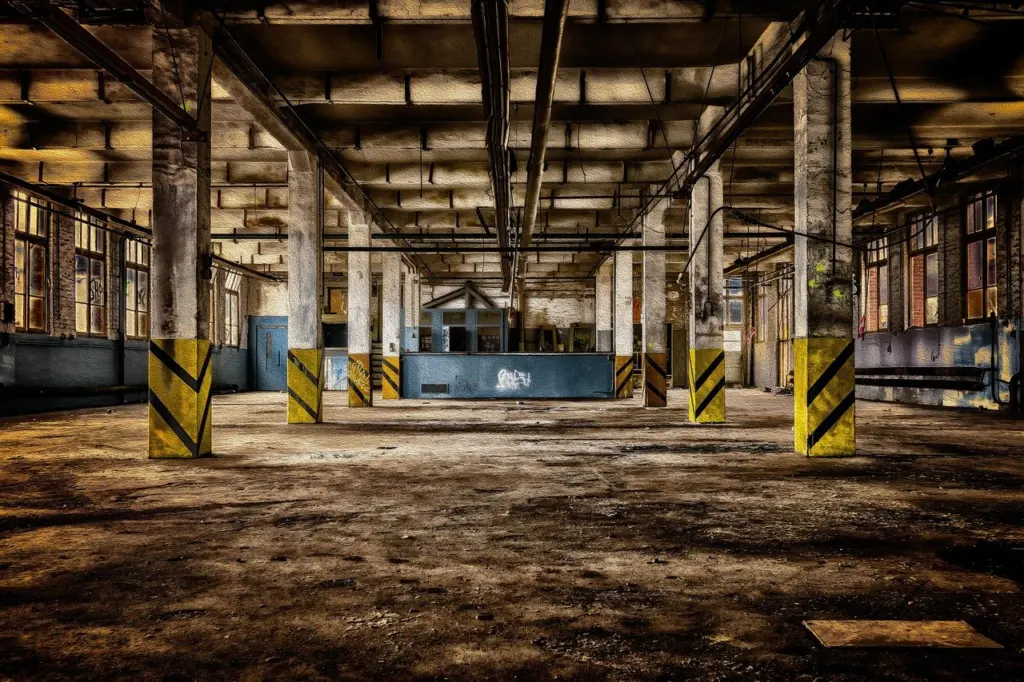
| Derelict | Zvartnots Terminal 1 operated from 1971 to 2011 and is derelict, yet is still called a classic specimen of Soviet brutalism. | Judge significance separately from condition. |
| Demolished | De-Sovietization in Ukraine has led to countless structures, from housing and office blocks to sculptures and murals, being razed. | Document and visit at-risk Ukrainian sites sooner rather than later. |
Status details come from Armenia’s national tourism article on Soviet brutalist architecture in Armenia and a 2026 review of a book on Ukraine’s Soviet architecture.
Soviet brutalist architecture is the raw-concrete, geometric, function-first style that emerged in the mid-20th century and spread across the Soviet Union. Its survival today depends on use: some buildings work, some are derelict, many are razed.
To see where the style sits beside its relatives, read our guide to architectural styles in cities explained.
How these buildings are surviving
Survival depends less on architectural merit than on whether a building has a job to do. The four outcomes in the table above each lead to a different decision for a visitor, a planner or a researcher.
Working buildings
Transport hubs are the clearest survivors. A 2026 review of a book on Ukrainian Soviet architecture notes that many Soviet-era buildings in Ukraine have stayed in continual use, especially bus and train stations. Daily use pays for basic upkeep and keeps the building in public life.
Repurposed buildings
Reuse keeps the volume but changes the purpose. According to Armenia’s tourism board, Cinema Rossiya in Yerevan once housed up to 2500 film-goers at a time and has been repurposed as a shopping mall. The Sevan Writer’s House, designed in the 1930s as a retreat for Soviet-era creatives and described as highly modernist for its time, still operates as a hotel from May to October. Seasonal operation matters if you want to stay or look inside.
Derelict and razed buildings
Zvartnots Terminal 1 functioned from 1971 to 2011, and Terminal 2 is the one now in use. The same Armenian source says that, while derelict, Terminal 1 remains one of the most classic specimens of Soviet brutalism. A building’s condition and its importance are separate questions.
The Ukrainian picture is harsher. The book review describes de-Sovietization policy as leading to countless structures being razed, from monumental housing and office blocks to modest sculptures and murals. The book itself argues for the ongoing preservation and revitalization of this architecture.
Choices that follow
- Favour buildings still in use if you want interiors; stations and hotels keep regular hours, and the Sevan hotel opens only from May to October.
- Confirm present function before planning a trip around an original purpose, since a cinema can now be a mall.
- Do not dismiss derelict sites: Zvartnots Terminal 1 is a leading example despite its state.
- Prioritise recording work in Ukraine, where razing has been widespread and includes small works such as murals.
Readers curious about how contemporary designers approach environmental goals can compare this concrete legacy with Masters Of Green Design: A Practical Guide To Famous Sustainable Architects In 2026.
Examples across Moscow, Kyiv, Yerevan and Riga
Lists of Soviet brutalist landmarks mix true brutalism with earlier modernism and Stalinist-style work, so dates matter when you read them. These are the buildings the evidence supports, grouped by city.
- Moscow, Narkomfin Building: Outlook Traveller says Moisei Ginzburg designed this residential complex in 1932 for Narkomfin employees. It predates the style’s emergence, so it reads best as an earlier modernist forerunner.
- Moscow, Central Telegraph: completed in 1927 by Ivan Rerberg, it combines Art Deco, Constructivism and early Brutalism, per the same source.
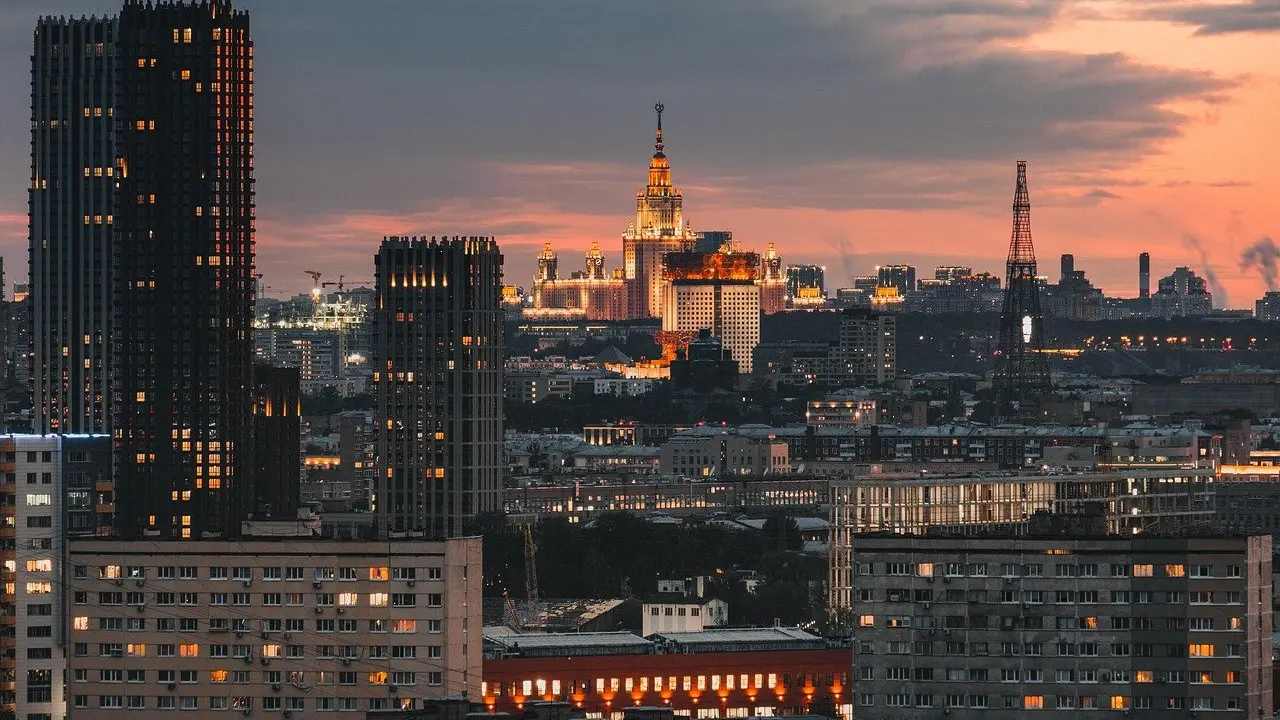
- Moscow, Russian Academy of Sciences: built in the 1970s by Boris Rubanenko on the hills of southwest Moscow.
- Moscow, House of Nuclear Atomists: architect Vladimir Badad’s block has 14 floors, 980 flats and three retail floors. That scale shows what the style meant for mass housing, which is a different kind of size from the record-breaking towers in The Top 5 Tallest Buildings in the World in 2026: Heights, Facts, and What Makes Them Iconic.
- Kyiv, Memory Park and Druzhba Sanatorium: the book review cites both as well-known Brutalist structures in Ukraine. It also names the Kyiv Institute of Cybernetics as a postmodernist structure that retains raw concrete and geometric monumentality.
- Yerevan, Hrazdan Stadium: built in the 1960s, it was the first two-story stadium erected in the Soviet Union, according to Armenia’s tourism board.
- Riga, Latvian Academy of Sciences: Lev Rudnev built this Stalinist-style building in 1961, as Outlook Traveller notes. It appears on brutalism lists even though its style label is different.
For a first visit, Moscow offers the widest range of types, from housing to institutions. Kyiv rewards anyone interested in how raw concrete carried into postmodernism, and Yerevan combines stadium, cinema and terminal in one city.
Why the Soviet state built in concrete
Ideology and economy pulled in the same direction. Brutalism itself emerged in the UK and Europe after World War II, partly because of limited resources, and in Soviet Russia, as Outlook Traveller puts it, it flourished.
Political direction
The review describes a dictatorship in which architectural trends were dictated by a governing body that was both unbending and fickle. That helps explain how a style could move across a whole country. In Ukraine, the post-Stalinist thaw freed architects from the stifling Neoclassical requirements that had defined the socialist realist period. Modernist concrete filled the gap that those requirements left.
The same state control explains how the style spread, according to Armenia’s tourism board, which says Soviet Brutalism first emerged in the mid-20th century and subsequently spread throughout the Soviet Union. A style adopted from above could appear in Yerevan and Moscow alike.
Economy of building
Concrete was also a practical choice. The book review says many Brutalist buildings actually used insubstantial concrete cladding over underlying brick structures, which was often cheaper and easier to build. The monumental look was partly a surface treatment, and the budget shaped what lay behind it.
Defining Soviet brutalism and reading it on site
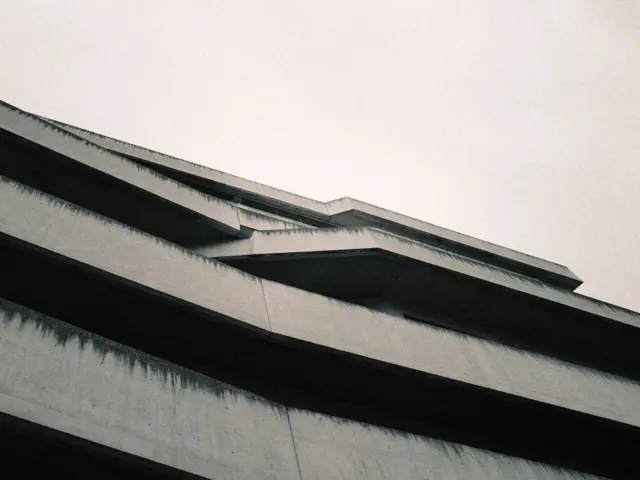
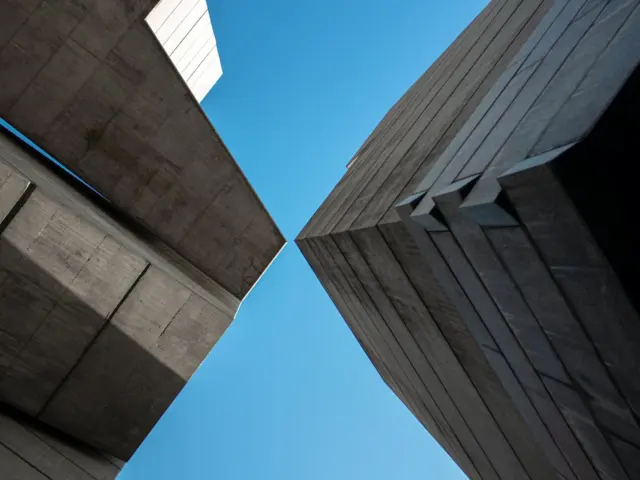
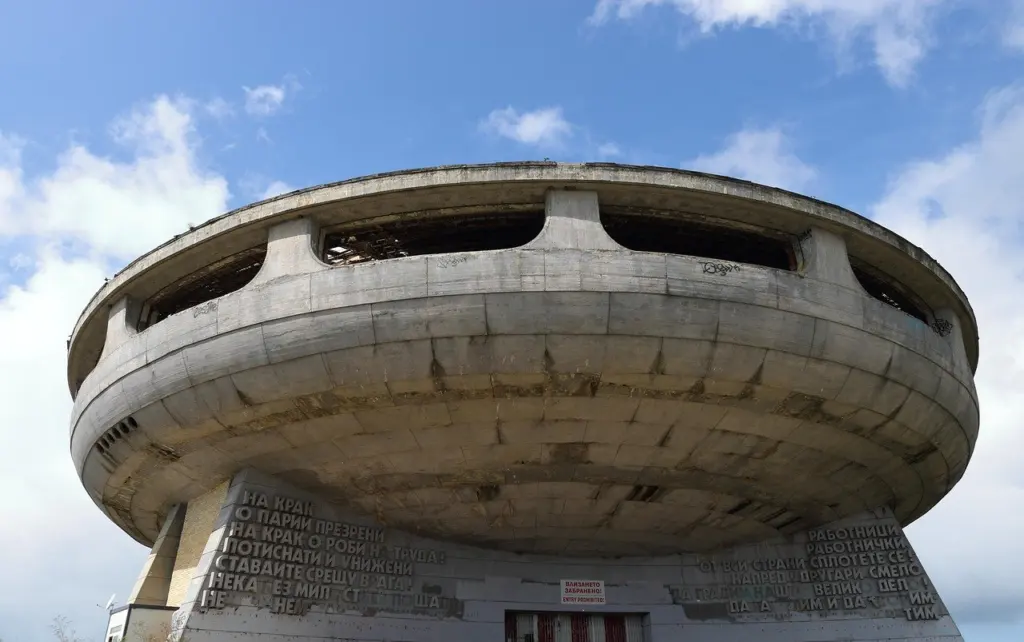
Brutalism is an architectural style that, in Outlook Traveller’s definition, values raw concrete, geometric shapes and functionality over ornamentation. Soviet brutalism applies that approach across the USSR, so you should look for exposed concrete, blocky geometry and plain, purpose-driven facades.
Some cautions apply. A heavy concrete look does not guarantee a concrete structure, given the cladding over brick. If repair or safety matters, find out what lies behind the surface. Also, categories are porous. The Ukrainian book divides Soviet Ukrainian architecture into three categories: Modernism, Brutalism and Post-Modernism. The Institute of Cybernetics shows that postmodernist buildings can keep brutalism’s raw concrete, and the same review says Soviet Post-Modernism talks only about aesthetics.
Moscow and Kyiv illustrate the contrast. Moscow’s examples run from 1927 to the 1970s and mix several styles, while Kyiv’s best-known examples are public institutions that carry the concrete language into the late Soviet period. Use style labels as a guide rather than a verdict.
Frequently asked questions
What is Soviet brutalism?
It is brutalism as practised in the Soviet Union: buildings that favour raw concrete, geometric shapes and function over ornament, in a style that emerged in the mid-20th century and spread across the USSR.
Why was it built?
Post-war resource limits favoured concrete, and a state-directed architecture system made it easy to spread. Ukraine’s thaw also removed Neoclassical requirements, and concrete cladding over brick was often cheaper and easier to build.
Where are examples?
Moscow has the Russian Academy of Sciences and the House of Nuclear Atomists. Kyiv has Memory Park and the Druzhba Sanatorium. Yerevan has Hrazdan Stadium and Zvartnots Terminal 1, and Riga has the Latvian Academy of Sciences.
Is it being preserved?
Unevenly. Many Ukrainian stations remain in continual use, Cinema Rossiya became a mall and the Sevan Writer’s House runs as a hotel. Zvartnots Terminal 1 is derelict, and de-Sovietization has razed many Ukrainian structures.