The list of famous architects today includes designers who change how cities feel, work, and look. This article names key figures, explains why they attract attention, and shows recent projects that shape urban life. The focus stays on built work, public impact, and design methods. Readers get clear examples and reasons these architects rank among the most influential in 2026.
Key Takeaways
- Famous architects today gain recognition through impactful public projects, media attention, and consistent quality across global commissions.
- Sir David Adjaye leverages material storytelling and human-centered design to create memorable cultural landmarks that anchor urban districts.
- Jeanne Gang focuses on resilient, community-oriented urban design, integrating ecological features and adaptive strategies for climate-responsive buildings.
- Ma Yansong is known for his sculptural, organic forms that establish strong visual identities for new city districts, boosting tourism and ambition.
- Public engagement, clear communication, and built landmarks remain essential factors in making architects famous in 2026.
What Makes An Architect “Famous” Today
Fame for an architect today grows from measurable impact, media attention, and repeated public commissions. An architect gains wide notice when large civic projects open, when critics praise their work, and when professional awards follow. Firms with strong branding and clear visual language also attract clients and press. Social media and global biennales speed recognition. An architect who works across continents with consistent quality reaches a wider public. Public engagement counts too: architects who explain their choices, speak at events, and write for general audiences become household names. Finally, built work matters most. A single landmark that people visit, photograph, and discuss can make an architect famous.
Beyond openings and awards, there are several practical mechanisms by which architects translate design into fame. Visibility grows when projects become part of people’s daily routines—stations, parks, libraries, and cultural centers that host regular programming. Repeat commissions from governments or large developers create a portfolio that is easy for the press and professional communities to recognize. Collaborations with artists, landscape architects, engineers, and fabricators also broaden an architect’s reach: interdisciplinary projects usually receive more media coverage and public discussion than isolated buildings. In the contemporary media ecosystem, clear storytelling—through photography, drawings, and accessible explanations of design intent—amplifies a project’s cultural footprint.
Fame is not only a function of spectacle. Consistency in addressing practical urban problems—affordable housing, resilience to climate change, accessible public space—generates a different kind of renown among planners, civic leaders, and residents. Architects who balance bold formal ideas with demonstrable performance tend to sustain attention over time, because their work is useful as well as iconic. Finally, controversy and debate can also raise profiles: when a project sparks discussion about fit, scale, or public value, the resulting discourse makes the architect’s work part of civic conversation.
Leading Architects And Their Signature Works
The next sections profile three architects who rank among famous architects today. Each profile highlights a recent project, a clear design approach, and why the work matters for cities. The profiles avoid theory and focus on results that the public can see and use.
Sir David Adjaye — Cultural Landmarks And Material Storytelling
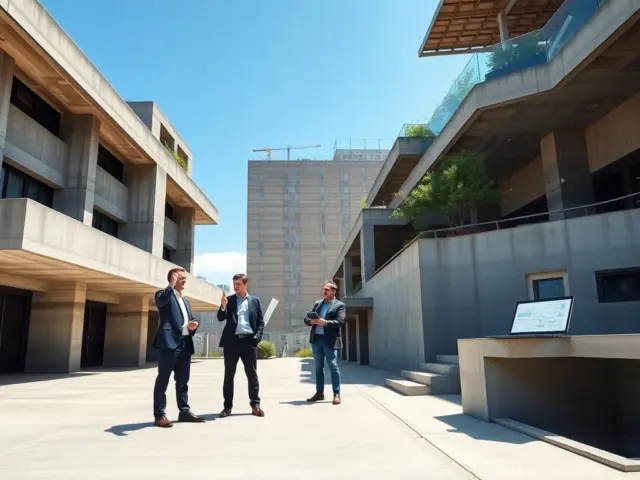
Sir David Adjaye builds public buildings that citizens recognize and visit. He uses simple forms and clear material choices. His projects often center museums and libraries. The design for the Smithsonian National Museum of African American History and Culture gave him global attention. In recent years he completed cultural centers and civic projects that use local stone, bronze, and patterned facades. These material choices give his buildings an immediate identity. He often places light wells and atria to guide movement and daylight. Cities benefit because his buildings anchor new districts and attract visitors. Critics praise his ability to make civic architecture feel both monumental and human. He speaks clearly about craft and context, and his public lectures increase his visibility. Visitors report that his spaces feel purposeful and memorable.
Adjaye’s reputation also rests on how his buildings engage with site and memory. By selecting materials that resonate locally and detailing façades with culturally referential patterns, his work tends to read as both contemporary and rooted. Practically, this approach encourages longer visits, supports museum programming, and can galvanize surrounding commercial activity. For municipal stakeholders, such outcomes make investment in signature cultural projects easier to justify.
Jeanne Gang — Resilient, Community-Focused Urban Design
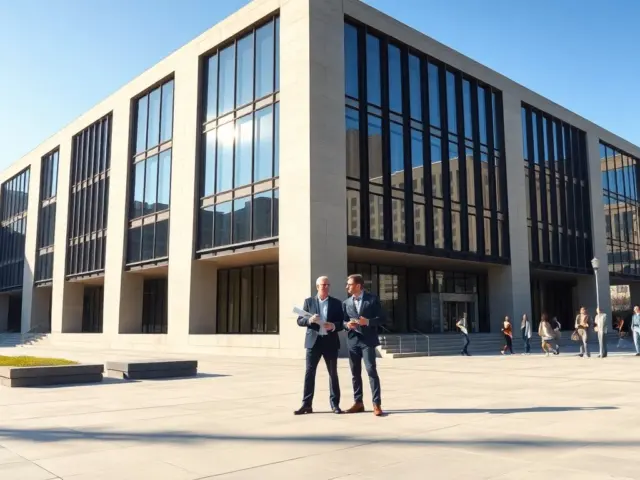
Jeanne Gang leads projects that respond to climate, program, and neighborhood needs. She often designs mixed-use towers, riverfront parks, and community centers. Her studio puts structure and ecology at the center of design. One recent project focused on adaptive flood measures and public access to water. The firm reduces energy use with natural ventilation, shading, and stacked program that cuts heating loads. Her tall buildings use stepped profiles that create outdoor terraces and public spaces. Cities gain flexible housing, parks, and cultural venues from her work. Community groups often praise her firm for clear outreach and tangible benefits. She writes and speaks about urban resilience, which raises her profile among planners and municipal leaders. Reviewers note that her designs combine formal invention with practical performance.
Her process emphasizes stakeholder engagement and measurable performance. Early-stage workshops, iterative testing of façade systems, and post-occupancy evaluations help ensure that designs meet social and environmental goals. This emphasis on measurable outcomes—reduced energy use, increased public access, improved microclimates—helps explain why municipal clients and funders commission her studio repeatedly. In turn, successful built performance strengthens media narratives about her work and cements a reputation that goes beyond aesthetics.
Ma Yansong — Sculptural Forms And The Vision Of Future Cities
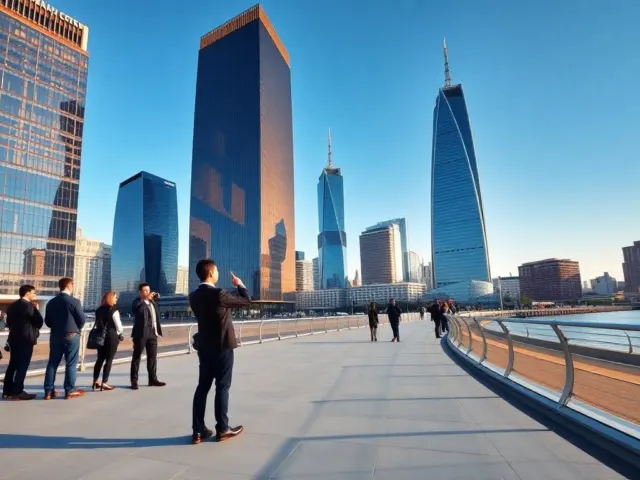
Ma Yansong produces buildings with bold curves and expressive silhouettes. His approach aims to create icon buildings for new districts. He draws on organic geometry and landscape motifs to shape towers and cultural centers. A recent cultural center used flowing forms to link plazas, exhibition halls, and gardens. Developers select his studio when they want strong visual identity and tourist draw. His projects often include public plazas, water features, and integrated art. City leaders commission his work to signal ambition and to brand new districts. Critics debate whether such projects always fit context, but the public often responds to the strong imagery. His media presence and collaborations with artists and fashion brands extend his reach beyond architecture. The result keeps him listed among famous architects today.
While recognizability is a clear strength of sculptural work, successful examples also demonstrate attention to program, circulation, and long-term maintenance. Iconic forms that include generous public realms—walkways, seating, and signage—help integrate bold buildings into daily urban life. When those spaces host events or markets, the building becomes part of civic life rather than a solitary object, reinforcing the architect’s visibility and the project’s value to the city.
Across these profiles, a few common threads explain why certain practitioners stand out: clarity of vision, repeatable design strategies that deliver measurable benefits, and the ability to communicate ideas to both professional audiences and the general public. Looking forward, architects who combine provocative form-making with demonstrable social and environmental performance will continue to be counted among famous architects today.