| City or country | Supported detail | Planning use |
|---|---|---|
| Tokyo | Largest city in Asia, with a metro population of 38.2 million people | Expect scale and crowds. Best for travelers who enjoy intensity and are happy to plan around busy streets. |
| Singapore | Described as a melting pot of Asian cultures and one of the safest destinations in Asia | A low-friction first stop, especially for food-focused travelers. |
| Hanoi (Vietnam) | $20–30 per day, backpacker style; peak season Nov–Apr | The lowest-cost anchor in this group. Suits long trips on a tight budget. |
| Bangkok (Thailand) | $30–45 per day, balanced travel; peak season Nov–Feb | Costs more per day than Vietnam but has the narrowest peak window of the three countries listed. |
| Cambodia | $25–35 per day, ancient temples; peak season Nov–Mar | A mid-range add-on for travelers whose main interest is temples. |
Population and city descriptions come from a travel guide to Asian cities. Daily budgets and peak months come from a guide to low-cost Asian countries. The budget figures are country-level estimates, not city quotes.
The best cities to visit in Asia for a first trip are Tokyo, Singapore, Bangkok, Seoul and Hanoi. The right pick depends on whether you want scale, ease, food or low costs, and on when you travel.
Short city stops work best with a simple plan, so how to plan a weekend in a new city is a useful companion when you have limited time in each place.
Choosing a city by traveler style
Match the city’s character to your tolerance for crowds, noise and unfamiliarity. A city that suits one first-timer can exhaust another, so start with the pace you want rather than a ranking.
Comfortable first stops
- Singapore suits travelers who want to ease in. One travel guide calls it the melting pot of Asian cultures and recommends it if you love trying local specialties and unique flavors. The same guide describes it as one of the safest travel destinations in Asia. That combination makes it a sensible opener for anyone nervous about a first trip to the region.
- Bangkok suits travelers who want an adventurous but manageable start. Thailand, in one regional guide’s words, lets you ease into things while staying exotic enough to feel adventurous. Bangkok adds a renowned party scene, with Khaosan Road named as the main area. If nightlife is not your priority, treat that street as optional rather than essential.
Old meets new
- Seoul suits travelers who want a modern capital with a historic layer. It is South Korea’s capital and, according to the same city guide, blends modern skyscrapers with ancient shrines. Plan for both in the same itinerary instead of treating it as a purely contemporary city.
- Kyoto suits travelers who care more about history than skylines. It is the natural counterweight to Tokyo on a Japan trip. The guide also points to Nara, Japan’s first capital in 710, which retains its air of ancient majesty. Add it if old Japan matters more to you than a second big-city stop.
High-intensity cities
- Tokyo suits travelers who enjoy scale. It is the largest city in Asia by metro population, at 38.2 million people, and is described as modern and fast-paced, with flashing lights and crowded streets. It also has holy sites such as Meiji shrine, which give you a quieter counterpoint to the density. If crowds drain you, pair it with a calmer stop rather than a second megacity.
- Hanoi suits travelers who want energy and low costs. A regional guide describes it as home to seemingly millions of motorbikes and some of the most exciting markets. It also has historic sites. Vietnam’s cities overall are called among the most vibrant and chaotic in the region, so expect street-level intensity as part of the appeal.
Once you know the pace you want, the next decision is how much each day will cost and what that money buys.
Food-led cities and daily budgets
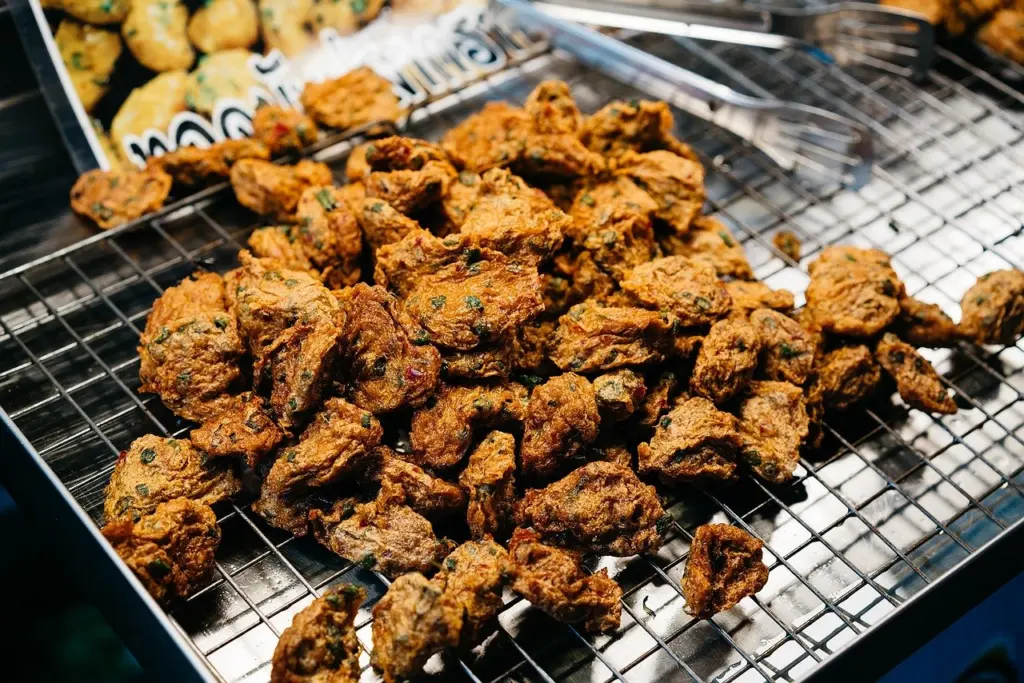
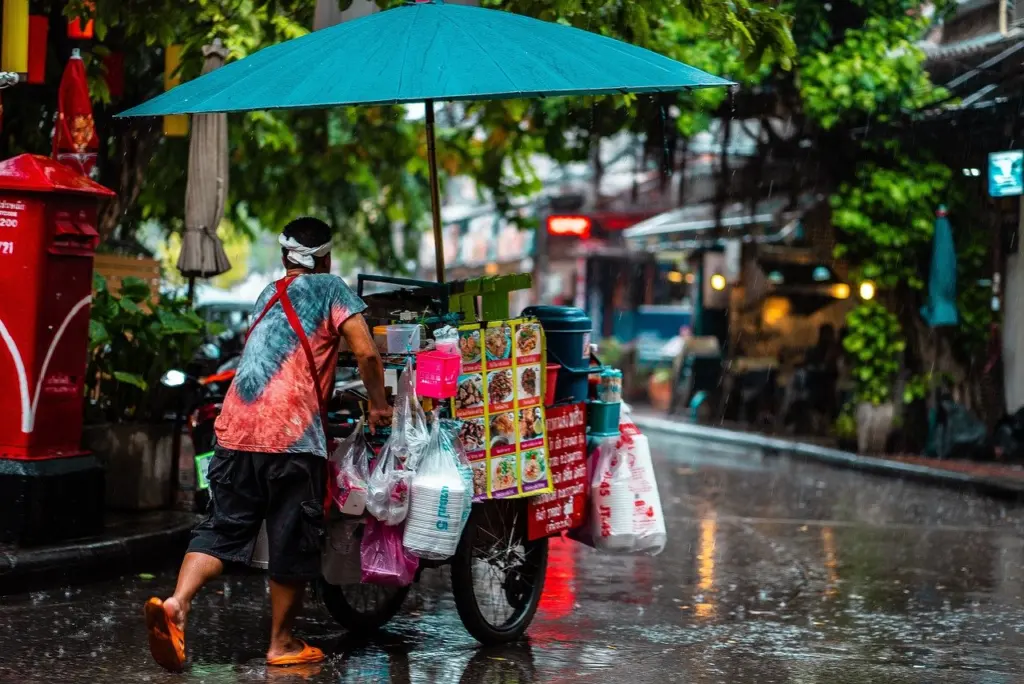
Street food is the most practical lever for cutting costs in Southeast Asia. Bangkok and Hanoi both reward travelers who eat where locals eat.
One travel guide says Bangkok offers some of the best street food worldwide, which alone justifies a stop for food-focused travelers. In Hanoi, another guide calls the Old Quarter one of the best places in Asia to eat well on a very small budget.
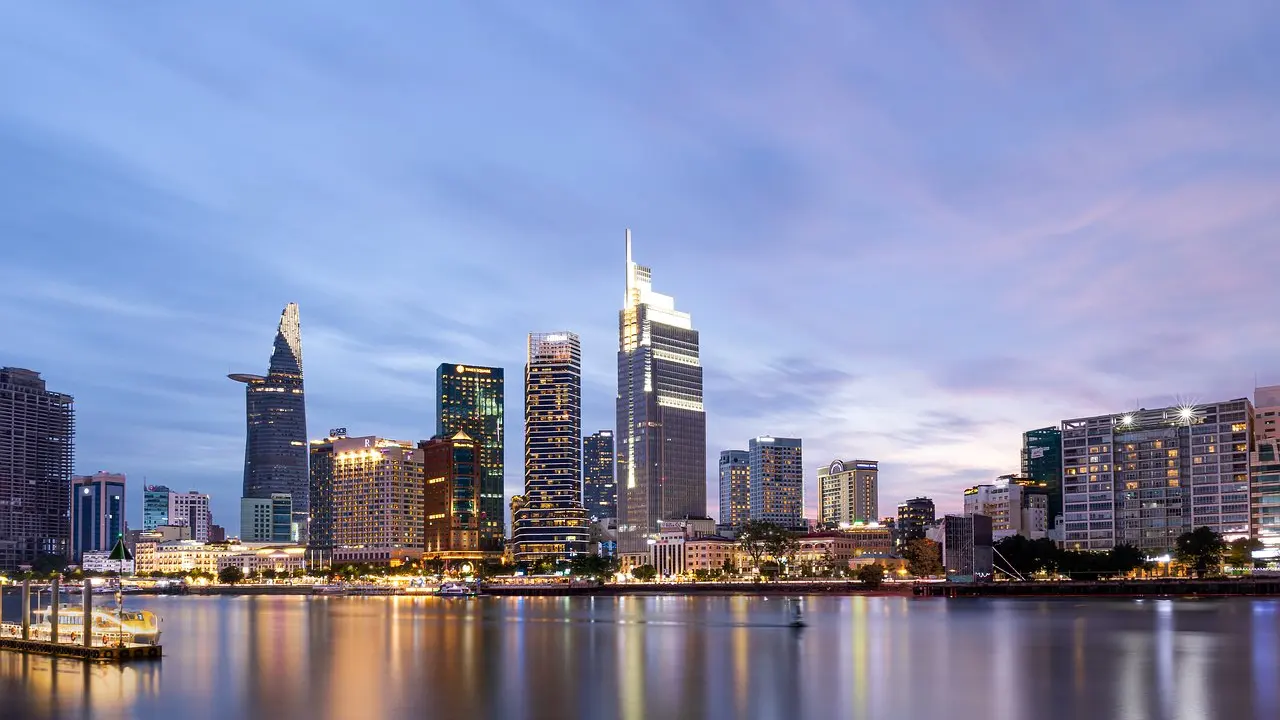
For Vietnam, the same budget guide says travelers can comfortably stay within a $20 to $30 daily budget even in Hanoi and Ho Chi Minh City. That assumes hostels or guesthouses, local meals and public transportation. Hostels typically cost $5–10 a night, and delicious local street-food meals can be found for $1 to $3. International flights, luxury stays, alcohol and major tours sit outside that figure, so add them separately.
- Choose Vietnam if cost is your first filter. The guide calls it one of the easiest low-cost countries in Asia for first-time travelers, balancing food, transport and low costs.
- Choose Thailand for a step up in comfort. Its estimate is $30–45 per day for a balanced travel experience, which leaves room for better rooms or more paid activities than the Vietnam backpacker figure allows.
- Add Cambodia for temples. Its estimate of $25–35 per day sits between the other two countries.
Individual cities can differ from country averages. A Nation Thailand travel piece from April 2024 estimated that a week in Nha Trang would cost a single person about 9,942 baht. Use that as a reminder to check city-level costs for any coastal or resort-style stop that sits off the usual capital route.
Timing your trip by season
The best time to go depends on the country you are targeting, because peak seasons differ across the region. The budget guide lists Vietnam’s peak as November to April, Thailand’s as November to February and Cambodia’s as November to March.
- Treat those windows as the main-season starting point. They are labeled as peak seasons for each country’s main draw: food and culture in Vietnam, a balanced experience in Thailand and ancient temples in Cambodia.
- Combine countries inside the overlap. November through February falls inside all three windows, so a multi-country Southeast Asia route is easiest to schedule then.
- Check the month for everywhere else. For Tokyo, Seoul, Kyoto and Singapore, look at month-by-month forecasts and local event calendars before booking flights and rooms, because festivals can change how busy a city feels.
Peak is a label for the main season, not a guarantee of ideal weather on any given day, so build a little flexibility into outdoor plans.
Building a route that works
The easiest routes use cities that are already well connected, then add stops by region. Bangkok is a good example: one travel guide notes that it has so many international flight connections that Thailand makes a great gateway to Southeast Asia. That makes it a logical entry or exit point for a trip that also includes Vietnam or Cambodia.
For a trip that stays in one region, pair a high-intensity city with a gentler one. Tokyo and Kyoto cover very different moods in Japan, and Bangkok and Singapore give a low-risk first look at Southeast Asia. Putting every intense city back to back leaves little room to recover.
If your flight to Asia connects through Turkey, Layover in Istanbul: Make the Most of 4–24+ Hours in 2026 (Quick, Scenic, and Stress-Free Options) covers how to use the stopover. For a comparison with city picks in another part of the world, see The 12 Best Cities in the U.S. to Visit in 2026 — Top Picks, When To Go, And What To See.
Frequently asked questions
Which Asian cities are best for first-time visitors?
Singapore and Bangkok are the gentlest starts, Seoul gives a mix of modern and historic, and Tokyo and Hanoi suit travelers who want intensity from day one.
When is the best time to go?
For Southeast Asia, peak seasons run November to April in Vietnam, November to February in Thailand and November to March in Cambodia. For other cities, check seasonal conditions for your travel month.
How do you choose by budget?
Start with the country’s daily range: Vietnam is lowest, Cambodia sits in the middle and Thailand is highest of the three. Then add flights, tours and any upgrades on top, since the quoted ranges leave them out.
Is Hanoi a good choice for a small budget?
Yes. Its Old Quarter is described as one of the best places in Asia to eat well cheaply, and Vietnam’s hostel and street-food prices are among the lowest in this group.