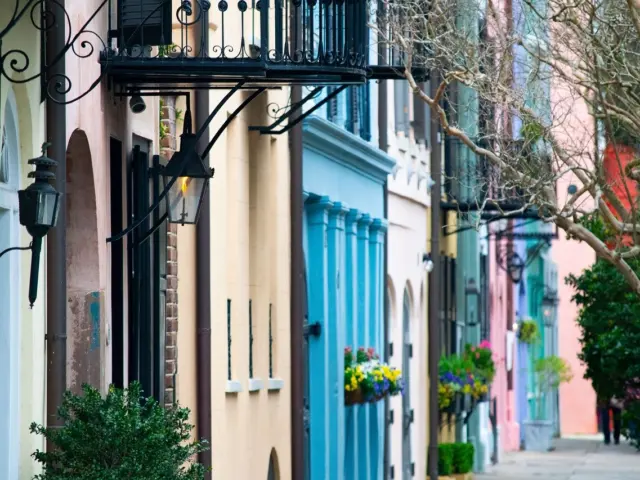
The best cities in the US to visit depend on the trip you want: New York and Washington D.C. for first-time sightseeing, New Orleans for late nights and long meals, Chicago for a big-city break, and Savannah or Denver for a slower stay.
Choosing by trip type works better than ranking, because a city that suits a long food-and-music weekend can be wrong for a museum-and-garden trip. If you only have a couple of days, read how to plan a weekend in a new city before you pick.
How trip type shapes the choice
Each city sells a different kind of trip, and the framing used by travel editors shows it. Condé Nast Traveler describes New York as “the entire world in one place” and New Orleans as “permission to eat, drink, and play all night”. Those are very different promises, so the first decision is what the trip is for, not which city is famous.
- Name the main purpose. Decide whether the trip is about landmarks, food and nightlife, or scenery and a relaxed pace. A mixed purpose usually means a bigger city with more variety.
- Match the purpose to a city. Use the table below to shortlist one or two options rather than trying to cover everything.
- Fix the season around anything with fixed hours. Outdoor gardens, conservatories and seasonal exhibits change their opening times through the year, so check them before booking.
- Settle how you will get around. Some of the best-known attractions have no parking of their own, so a transit stop near the entrance can decide where you stay.
Quick pick by trip type
| City | Trip type | Destination framing | Planning use |
|---|---|---|---|
| New York | First-time, high-energy sightseeing | “The entire world in one place”; a city you could inhabit for a lifetime and never run out of things to do | Choose it when you want the widest choice. Build days around neighborhoods rather than a checklist. |
| Washington D.C. | First-time, landmarks and gardens | “It all starts at the Capitol” | Anchor each day on the Capitol area, then add the botanic garden as a calmer stop. |
| Chicago | Big-city break | “Second City? Not by our count.” | Treat it as a full trip in its own right, not a stopover on the way elsewhere. |
| New Orleans | Food, music and nightlife | “Permission to eat, drink, and play all night—and sleep until you start again” | Plan late evenings and slower mornings instead of an early-start schedule. |
| Savannah | Slow, atmospheric stay | Hotel coverage opens with a Southern Gothic mansion | Pick it when where you sleep is part of the trip. |
| Denver | Scenic city base | “Mile-high taste—with views to match”; a hotel scene on par with cities twice its size | Good when you want plenty of lodging choice alongside the scenery. |
The framing quotes come from Condé Nast Traveler’s North America destination pages.
First-time sightseeing: New York and Washington D.C.
New York and Washington D.C. suit first visits to the US because each has an obvious organizing idea. New York offers sheer breadth; Washington offers a clear starting point at the Capitol.
New York
Condé Nast Traveler’s line that you could inhabit New York for a lifetime and never run out of things to do is the practical point: nobody sees it all in a single visit. The sensible approach is to choose one or two neighborhoods per day and accept that the rest is for a return trip. It suits travelers who like variety and do not mind choosing what to leave out.
Washington D.C.
Washington works well as a first city because the Capitol gives the visit a natural center, and the garden stops around it are easy to add. The U.S. Botanic Garden is a good example. Its Conservatory features plants from across the United States and around the world, ranging from desert plants to tropical forests, and the U.S. Botanic Garden holds roughly 5,000 orchid specimens, according to Destination DC. The Conservatory covers 28,944 square feet by the same source’s account, so it suits a focused visit rather than a full day.
Outside the glasshouse, two outdoor spaces round out a visit:
- Bartholdi Park: a two-acre space across Independence Avenue from the Conservatory, described as ideal for peaceful isolation. It suits a quiet break between museum visits.
- The National Garden: three acres showcasing the environments of the Mid-Atlantic region alongside plants from across the country.
- The children’s garden: an outdoor space where parents can sit in a shaded area, which makes it the better choice for families with younger children.
Destination DC also calls it the oldest continually operating botanic garden in the United States, with over one million visitors a year. Its Season’s Greenings holiday exhibit inside the Conservatory is one of the city’s most beloved holiday traditions, which makes the holiday season a distinct reason to plan around the garden.
Food, nightlife and big-city culture: New Orleans and Chicago
New Orleans is the clearest pick on this list for a trip built around eating, drinking and staying out late. Condé Nast Traveler’s “eat, drink, and play all night” framing means the city rewards a flexible schedule: book fewer daytime commitments and leave evenings open.
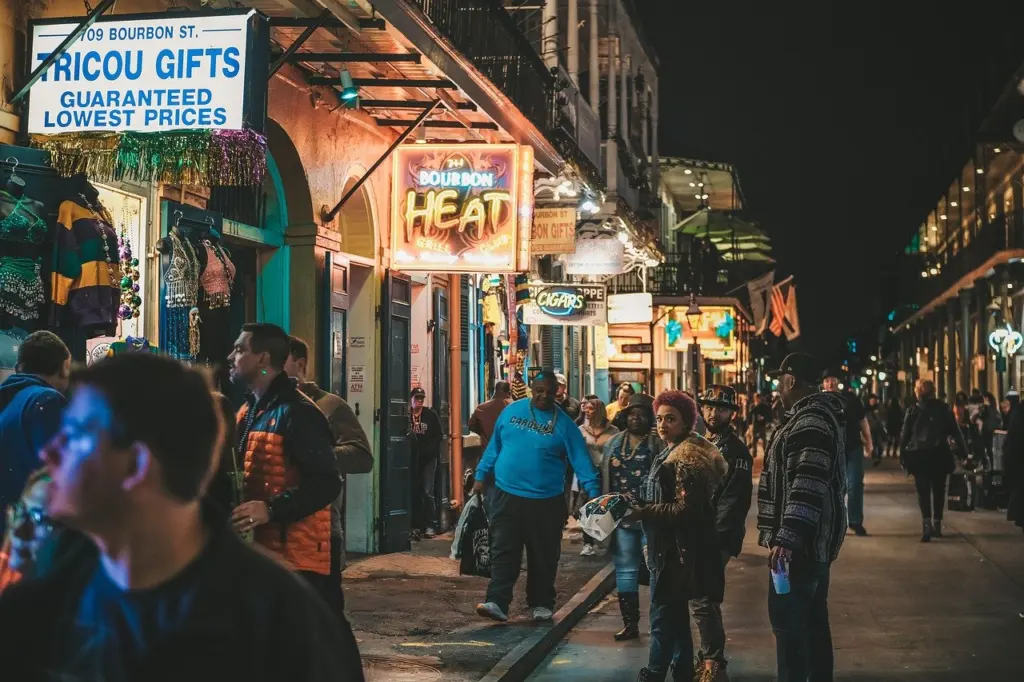
That makes it a poor fit for travelers who want a tightly timed itinerary or early starts every morning. It suits groups who would rather walk, eat and listen than tick off sights, and it pairs naturally with a city-break rhythm of long lunches and late evenings.
Chicago belongs here as a counterpoint. Condé Nast Traveler’s “Second City? Not by our count.” pushes back on the old label, and the practical lesson is to give the city a full trip rather than a single night. Check the city’s tourism board and transit pages for current attraction details and getting-around options before fixing an itinerary.
Slower trips: Savannah and Denver
Savannah and Denver suit travelers who want scenery or atmosphere more than a long list of landmarks. Both reward choosing the base carefully.
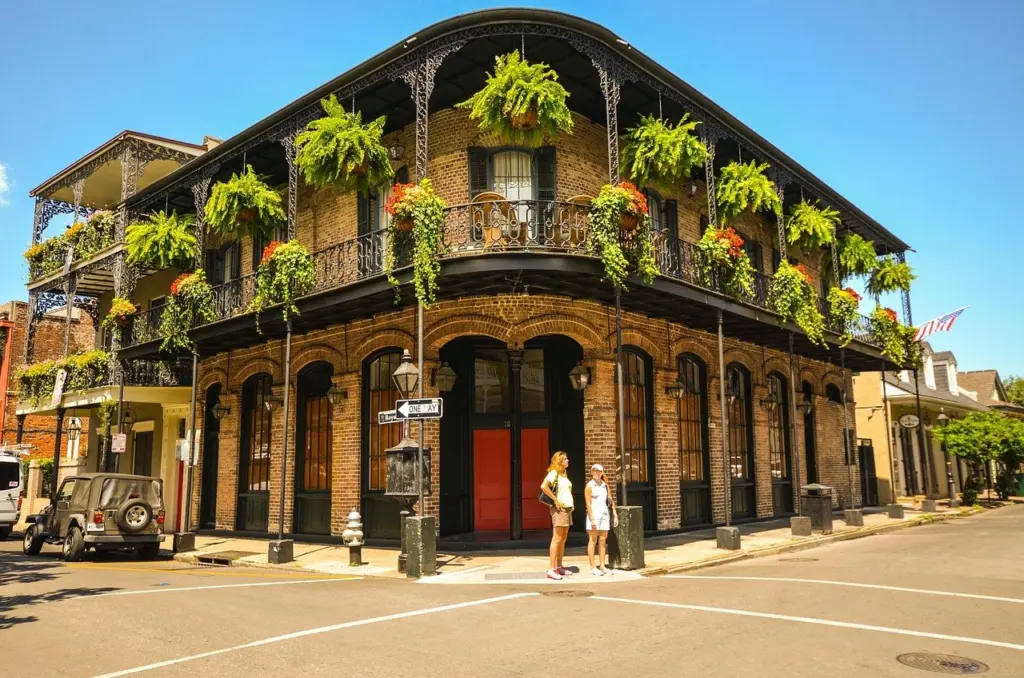
In Savannah, the lodging is part of the experience. Condé Nast Traveler’s hotel coverage opens with a Southern Gothic mansion, a good signal that the trip is about atmosphere and a slower pace rather than rushing between attractions. Choose it for a long weekend where evenings on a quiet street matter as much as daytime sightseeing.
Denver is the better choice when you want a city base with space around it. The same publication frames it as “mile-high taste—with views to match” and says its hotel scene is on par with those of cities twice its size, so you can usually find a room that fits your budget and style. Pick Denver if you want a food-forward city stay with big landscapes close by.
Timing your visit
For seasonal planning, the best-supported timing detail comes from the Washington garden hours, which show how much the season can change a day. The Conservatory is open from 10 a.m. to 5 p.m. daily, and the gated outdoor gardens are open from 7:30 a.m. to 5:00 p.m. daily; both close on Dec. 25. Between April 1 and September 15 the outdoor gardens stay open until 7:00 p.m., so late spring and summer give you the longest outdoor window.
- Spring and summer: choose these months for Washington if outdoor gardens are a priority, because the extended evening hours let you combine them with a full day of sightseeing.
- Holiday season: pick Washington if you want Season’s Greenings inside the Conservatory.
- Other cities: check the city’s tourism board event calendar before choosing dates for New York, Chicago, New Orleans, Savannah or Denver, since festivals and seasonal events shape what is open and how busy it feels.
Extending the trip
If a US city break turns into a longer travel plan, compare it with Best Cities To Visit In Asia: 15 Top Picks And Where To Go In 2026 for a very different set of trip types. Travelers who build trips around galleries can also look at 10 Best Art Museums In Europe (2026): What To See And How To Visit.
Frequently asked questions
Does the U.S. Botanic Garden charge admission?
No. The U.S. Botanic Garden states that admission is free and no tickets are required.
How do I reach the garden without a car?
The Federal Center SW metro station is about three blocks away. The garden has no parking lot of its own, though metered street parking is available within a few blocks.
Can I take photographs at the garden?
Yes, in the public areas, but for personal use only; photoshoots are not permitted.