How many days in Paris? Plan at least three days for a first visit. Two busy days cover only the Louvre, Eiffel Tower and Île de la Cité. Add days if you travel with young children or have time to spare in France.
The right length also depends on pace and booking. For the wider method behind this advice, see our guide on how to plan a weekend in a new city.
Why three days is the practical floor
Paris is a city of separate clusters, and each major sight tends to use up a half day once you add the journey, the queue and a meal nearby. That is why short stays feel rushed. World in Paris advises planning for three days at the minimum to get a great taste of the city, and it says that the Louvre, the Eiffel Tower and Île de la Cité fit into about two busy days.
The word “busy” matters. Two days works only if you accept long walking days, little time for a café and no margin when a ticket slot is missed or a museum is closed. Three days adds a morning of slack and one neighborhood that is not on the standard list. For most first-time visitors, that slack is the difference between seeing Paris and ticking it off.
Three days is a floor, not a target. Choose more if any of these apply:
- You want museums beyond the Louvre. Each large museum takes a half day of its own, so a second or third museum pushes you toward four days.
- You dislike early starts. A slower pace needs more days for the same list.
- You are arriving or leaving mid-day. A late arrival or an early departure removes most of a day, so count only the full days you will actually have in the city.
Recommended stay by traveler type
The table turns the day counts into a decision for different trips. Pick the row that matches your situation, then use the later sections to fill the days.
| Traveler type | Days | Planning use |
|---|---|---|
| Rushed first visit | About two busy days | Louvre, Eiffel Tower and Île de la Cité only. Book everything ahead and expect no slack. |
| Standard first visit | At least three days | Main sights plus one neighborhood, with room to absorb a closed museum or a missed slot. |
| Paris within a longer France trip (two weeks or more) | 4+ days | Enough time to add Montmartre and a trip outside the city without cutting the core sights. |
| Families with young children | Around five days | Shorter outings and rest time. The Metro is not well set for prams. |
| Travelers who want depth | Seven days as a starting point | Room for repeat visits, slower mornings and several museums. |
These figures come from World in Paris, a travel guide rather than an official body, so treat them as practical rules of thumb.
Two judgements follow from the table. First, the two-day option suits someone who already knows they will return and only wants the headline sights. Second, the family figure reflects logistics rather than ambition: with children, a day holds fewer activities, so the same list takes more days.
What fits in two, three or five days
Two days: the headline sights only
Spend about two busy days on the Louvre, Île de la Cité and the Eiffel Tower. Choose a museum rather than several, and keep meals simple. This plan works if your priorities are the famous landmarks and nothing else.
Three days: the core plan with one neighborhood
A three-day stay lets you separate the big museum, the tower and a neighborhood day. A sensible order is:
- First day: the Louvre in the morning, then Île de la Cité on foot.
- Second day: the Eiffel Tower, with the rest of the day left open for a riverside walk or a second museum.
- Third day: Montmartre, including the climb up Sacré-Cœur for a view over Paris.
Keep the second afternoon loose. It is your buffer for a late start, a long lunch or a ticket slot that moved.
Five days: add range and a slower rhythm
Five days suits visitors who want depth rather than speed. You can keep the three-day core and add a second museum, a trip to Versailles and an unscheduled day for whatever you enjoyed most. It is also the sensible length for families, since each day carries fewer stops.
If your trip is built around views, the same logic applies in other cities. Our comparison of Best Observation Deck In NYC: Where To See The City From Above In 2026 shows how a single viewpoint can anchor a day.
Booking and closure days that shape the schedule
Advance booking is what makes a short stay workable. World in Paris advises booking your Eiffel Tower climb and your Louvre visit as soon as possible, because a missed slot costs a share of a short itinerary.
Closure days decide the order of your days. The Euro Travel Coach itinerary notes that some museums are closed on Tuesdays, such as the Louvre, while the Musée d’Orsay and Versailles are listed as closed on Mondays. Check each venue’s official calendar before fixing dates, then build around those gaps:
- Tuesday: use it for the Eiffel Tower, Montmartre or a walk, not the Louvre.
- Monday: keep it free of Orsay and Versailles plans.
Put the museum days first and the flexible days last, so a rescheduled slot has somewhere to go.
Neighborhoods to prioritize
On a first visit, prioritize areas by what you cannot do elsewhere. Three give the best return.
Île de la Cité and the Louvre area
This is the historic center and the most efficient place to start, because the island and the museum are covered in the same two-day core described above. It also anchors the Seine-side walks that connect other sights.
The Eiffel Tower area
The tower is the second anchor of the standard plan. Treat it as a booked event rather than a drop-in stop, and pair it with a relaxed meal nearby, not another timed visit.
Montmartre
Euro Travel Coach describes Montmartre as a district of cobbled streets, artists and bistros, and recommends climbing Sacré-Cœur for a spectacular view of Paris. It is the best use of a third day because it feels different from the monument-and-museum core.
Getting around and day trips
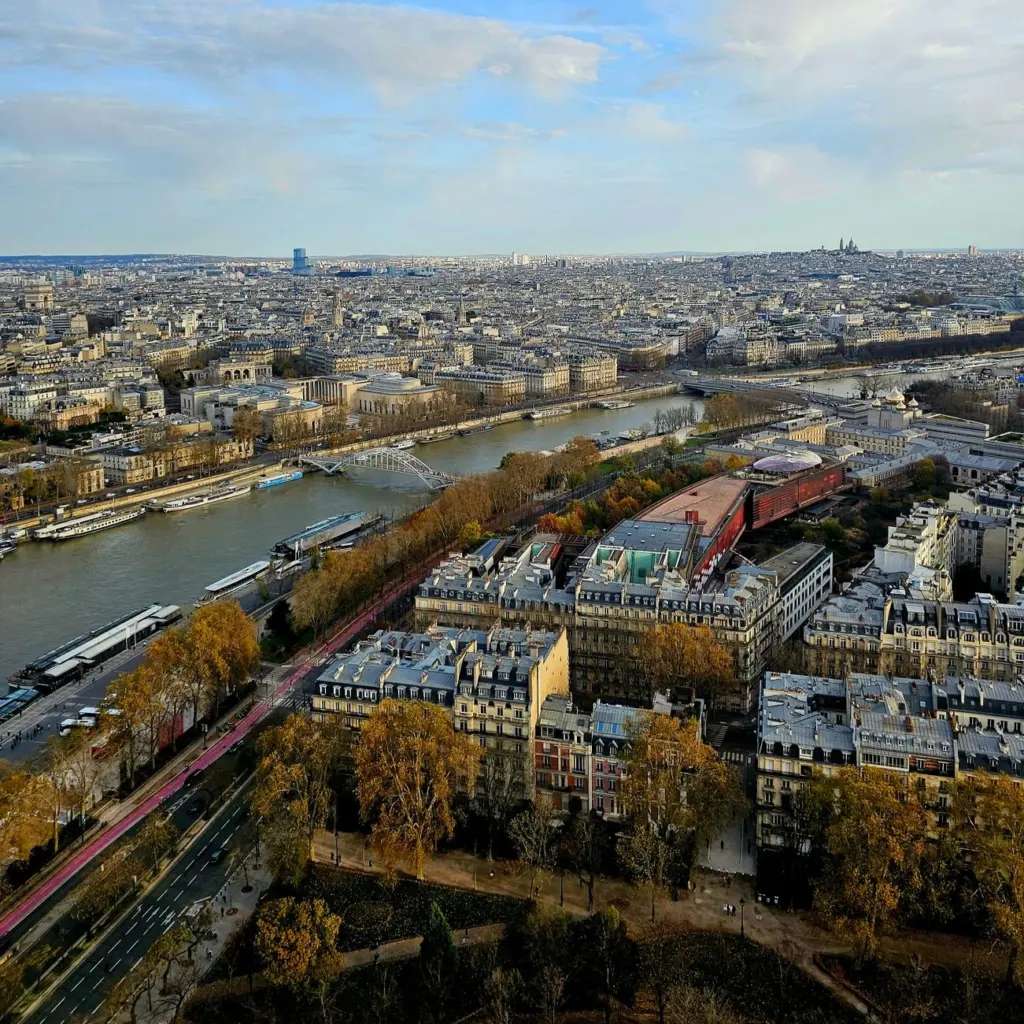
The Paris Metro links the districts, and most visitors use it for the longer hops between clusters. One caution applies to families: World in Paris notes that the Parisian Metro is not well set for prams, which is a reason to give children’s trips more days and shorter outings.

Before buying a visitor pass, work out your ride count. The guide that asks are tourist transit passes worth it covers when a pass earns its price. Keep in mind that a short stay with a walkable core may need little paid transit.
Versailles is the usual day trip and is why four or five days feel comfortable. It fits better after your core sights are booked, not before, and its Monday closure means it belongs on another day of the week.
Building slower days
A good itinerary alternates a booked day with an open one. After a timed museum visit, leave the afternoon for a café, a neighborhood walk or the river at dusk. This also makes the extra days in a four- or five-day plan feel worthwhile rather than empty.
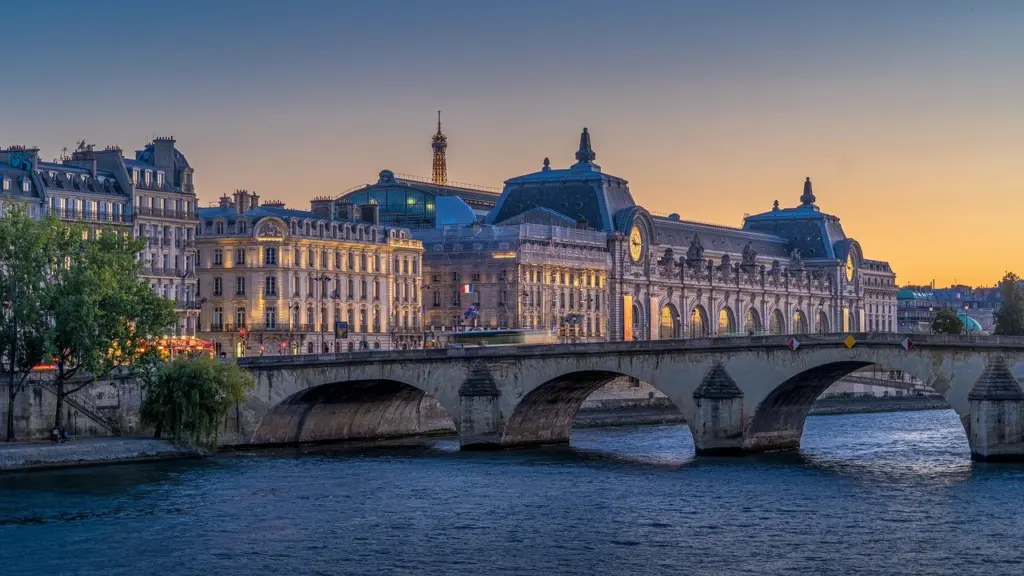
If your time is tight, protect one slow block rather than adding another sight. Travelers who cut it first usually regret it, since the unplanned moments are often what they remember from the trip.
Frequently asked questions
Is three nights enough for a first visit?
Yes, as a minimum. A discussion on Travellerspoint describes three nights as the absolute minimum for a really good feel of the city. Treat it as the shortest sensible stay rather than an ideal.
Can you fit Versailles into a short Paris trip?
It is possible but uses much of a day. The trip takes about 45 to 50 minutes from Gare Montparnasse, according to Euro Travel Coach, so it fits better in a four- or five-day plan than in two days.
When should you book the Eiffel Tower?
As soon as tickets are released. Euro Travel Coach says tickets open two months before the date you want to reserve, so check the official ticket page at that point and book your climb first.