The top 10 tallest buildings in chicago define the city skyline and draw visitors year-round. This expanded guide lists each tower by height and offers clear, actionable facts and context. Readers will learn heights, completion eras, primary uses, notable public-access features, and photography tips. The list reflects commonly reported 2026 data and addresses measurement caveats so readers can compare spires, roofs, and antennae consistently.
Key Takeaways
- The top 10 tallest buildings in Chicago shape the iconic skyline with heights ranging from 742 to 1,451 feet, featuring a mix of offices, residences, and hotels.
- Willis Tower remains the tallest at 1,451 feet and is a major public destination thanks to its observation level and skydeck ledges overlooking the city.
- Planning a visit around sunrise or late afternoon enhances photography opportunities with softer light and stronger contrast across façades.
- Using public transit like the ‘L’ trains, river taxis, and dedicated pedestrian routes is the most convenient way to reach clusters of these skyscrapers and avoid parking hassles.
- Many buildings on the list, including St. Regis Chicago and Aqua Tower, showcase distinctive architectural gestures—stacked forms, undulating balconies, and stepped crowns—that reward closer study.
- Advance ticket purchase for observation decks and peak-time arrival planning helps avoid weekend sellouts and long lines.
Why Chicago’s Skyline Is So Iconic
Chicago’s skyline rose from rapid growth after the Great Chicago Fire and from early engineering advances in steel-frame construction. Architects and engineers experimented with new structural systems and façade treatments, producing a skyline that mixes historic masonry-clad towers with sleek glass-and-steel supertalls. The city’s tall buildings were often sited along the river and lakefront to maximize views and create dramatic sightlines, and planners frequently preserved vistas and view corridors that make the skyline legible from many vantage points. The top 10 tallest buildings in chicago appear frequently in films, postcards, advertisements, and guided tours; each tower reflects a particular era of technology, program (office, residential, hotel, or mixed use), and civic ambition. For visitors and locals alike, the skyline is both a navigational aid and a cultural resource—one that rewards repeated visits and close observations of materials, rooflines, and street-level interfaces.
The Top 10 Tallest Buildings In Chicago (Ranked By Height)
This section lists the top 10 tallest buildings in chicago with detailed notes on height, completion era, primary use, and public-access highlights. Because authorities report heights using different conventions—roof height, architectural top (including spires), and highest occupied floor—ranks can vary slightly across sources. Where relevant, entries note common visitor amenities and how each tower fits into its neighborhood.
Ranks 1–5: The City’s Giants, Detailed Heights, Years, And Highlights
- Willis Tower, Height: 1,451 ft (with antennas). Completed 1973. Use: offices and observation deck. As the city’s tallest landmark, Willis Tower dominates views from the west and south. Its high-level observation space and glass skydeck attract tourists and photographers; on clear days the view extends for miles and provides a useful orientation to the grid of Chicago streets. At street level, the tower anchors a busy commercial district with transit connections and plazas that host seasonal events.
- St. Regis Chicago (formerly Vista Tower), Height: 1,198 ft. Completed 2020. Use: mixed residential and hotel. The tower is notable for its stacked, multi-tower composition and differing façade treatments that step up from riverfront podiums. It contributes a contemporary silhouette along the river and includes publicly accessible ground-floor retail and hospitality spaces that activate the waterfront walkways.
- Trump International Hotel & Tower, Height: 1,388 ft (including spire). Completed 2009. Use: hotel and residences. Sitting adjacent to the Chicago River, this reflective-glass skyscraper reads strongly in water-front photos and provides terraces and set-backs that breakup the massing. The tower is a common reference point for downtown riverfront walking routes and for river cruise narratives about Chicago’s modern redevelopment.
- Aon Center, Height: 1,136 ft. Completed 1973. Use: offices. Aon Center presents a clean, rectilinear profile and a lighter façade palette that contrasts with darker neighbors; it is highly legible in midday light and from the lakefront. The tower’s plaza and the adjacent parkland create framed views and pedestrian routes that support office-to-lake circulation.
- John Hancock Center (875 North Michigan Avenue), Height: 1,128 ft. Completed 1969. Use: mixed offices, residences, and observation. The building’s X-braced exterior is an expressive structural system that remains visually distinctive. Its upper-level observation platform has been a long-standing public attraction, and the tower sits at the northern edge of the downtown shopping corridor, near parks and lakefront access points.
These five towers set the highest skyline markers in Chicago and represent a range of design languages and programs. The top 10 tallest buildings in chicago include both historic high-rises and recent supertalls that change how light, shadow, and streetscape relationships are perceived at different times of day.
Ranks 6–10: Close Contenders, Architecture, Uses, And Quick Facts
- 875 North Michigan (ancillary references to the John Hancock complex), Height: listings and naming conventions vary based on measurement method. Use: mixed. This address and its towers form part of a high-profile lakefront precinct offering retail, dining, and connections to cultural destinations, making it a frequent stop on walking tours.
- Franklin Center (Two Prudential Plaza and One Prudential Plaza complex), Two Prudential: Height 995 ft. Completed 1990. Use: offices. The complex reads as a paired composition with stepped crowns and setbacks that catch light at sunset. Its street-level arcades and winter public-art programs make it active outside regular office hours.
- One Chicago, Height: 971 ft. Completed in the early 2020s. Use: residential and retail. As a newer entry on the list, One Chicago adds density and a contemporary façade language to the River North skyline; ground-floor retail and plaza space emphasize a pedestrian-scaled edge to the river corridor.
- Aqua Tower, Height: 859 ft. Completed 2009. Use: mixed residential, hotel, and retail. Aqua is widely photographed for its distinctive undulating balconies that create a water-like appearance when viewed in aggregate. The tower’s podium and adjacent landscaping provide accessible viewpoints and a contrast to more vertically oriented neighbors.
- Blue Cross Blue Shield Tower, Height: 742 ft. Completed 2016 (with earlier phases). Use: offices. This tower is part of a larger campus near the river with strong transit access and connections to north-south pedestrian routes that link downtown to residential neighborhoods.
Observers should note that spires, antennas, and rooftop mechanicals are treated differently across reporting bodies, which is why the top 10 tallest buildings in chicago can appear in slightly different orders in other lists. Despite those nuances, the set above captures the towers most frequently cited as the city’s tallest and most visible.
Visiting Tips, Best Photo Spots, And Interesting Facts About These Towers
Visitors who plan a skyline tour will find practical tips and photo spots for the top 10 tallest buildings in chicago. The following tips aim to save time, improve photos, and deepen appreciation for each building’s role in the urban fabric.
- Best time to visit: Arrive at sunrise for soft, directional light and fewer crowds, or late afternoon into golden hour for richer contrasts and illuminated façades. Nighttime visits reveal lit crowns and can produce dramatic reflections on the Chicago River.
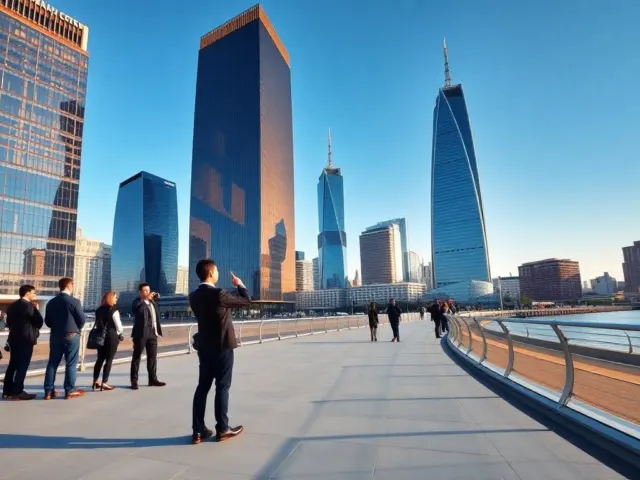
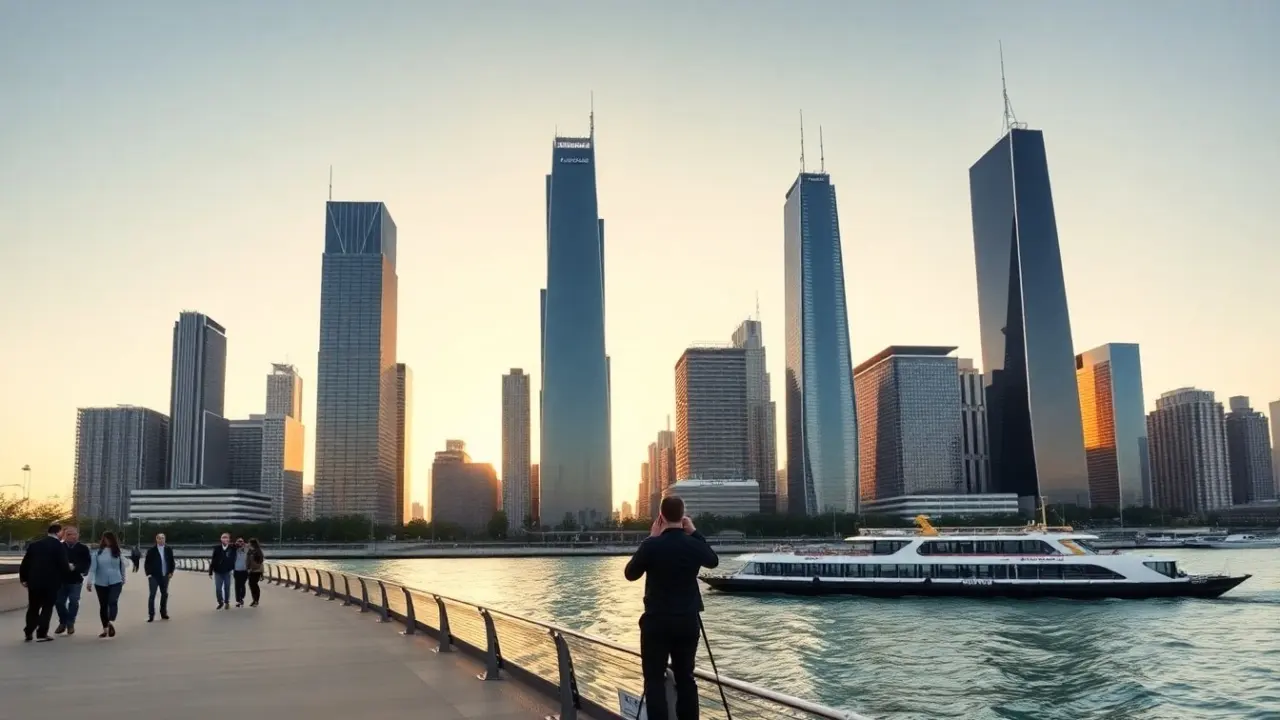
- Top photo spots: The Chicago Riverwalk offers close, water-level reflections; Millennium Park frames many towers with public art foregrounds; North Avenue Beach and the lakefront path provide broad panoramas of downtown; and the 606 or elevated viewpoints on the Near West Side yield different silhouettes. River cruises offer dynamic, low-angle views that emphasize verticality.
- Ticket and timing advice: Buy observation-deck tickets online when possible, and aim for weekday mornings to reduce wait times. Allow extra time for security screening at popular observation spaces and for lines at elevators to upper decks.
- Transit and routing: Use the ‘L’ trains, Metra commuter rail for regional access, and local river taxis to navigate clusters of towers without relying on cars. Plan walking loops that group nearby towers—Loop, River North, and the Magnificent Mile are naturally walkable.
- Street-level behavior: Respect private-property signage and security protocols; many towers have public lobbies open during business hours but restrict photography in certain interior zones. If you plan tripod or professional shoots, check policies and seek permission when required.
Interesting facts and context:
- The top 10 tallest buildings in chicago reflect shifts from masonry and stone to curtain-wall and composite structural systems, showing the city’s continuous architectural innovation.
- Many of these towers are included in self-guided and professional architectural tours that focus on the river, the Loop, and the lakefront, offering layered narratives about commerce, civic planning, and design evolution.
- Tall-building design in Chicago often responds to wind, light, and public realm considerations; stepped crowns, set-backs, and articulated façades are strategies to reduce perceived mass and improve streetscape daylighting.
Photographers should experiment with composition, focal length, and foreground elements to show scale—people, trees, and vehicles help convey a tower’s size. Tour groups should plan one or two towers per day to allow time for lines and transit; for a quick skyline overview, combine a riverwalk stroll with an observation-deck visit. With a little planning, the top 10 tallest buildings in chicago can be explored in depth, offering both iconic vistas and close-up discoveries that reveal the city’s evolving architectural story.