| Stay length | What it supports | Planning use |
|---|---|---|
| One full day | Most of the city centre’s main attractions | Treat it as a stopover sample: one route, no depth. |
| Two days | The main highlights, with packed schedules and a lot of walking | Only suits travelers who are happy to move fast and on foot. |
| 3–5 days | The usual sweet spot for a first visit | The safest default when nothing pushes you shorter or longer. |
| 5–7 days | The big sights without feeling rushed | Choose it when you want slack between sights rather than more sights. |
These ranges come from Rough Guides and Japan Starts Here.
How many days in Tokyo comes down to pace: 3–5 days suits most first-timers, while two days only works with packed schedules and a lot of walking. Longer stays pay off when you add neighborhoods or a day trip.
Tokyo is one of many city trips where length should follow priorities. For a shorter break elsewhere, start with how to plan a weekend in a new city.
What each length of stay means in practice
Guides disagree slightly on the floor. Rough Guides treats two days as workable if you accept the pace, while Midnight Blue Elephant calls three days the minimum. That gap is useful: it tells you the cut-off is about tolerance for rushing, not about running out of things to see.
- Three days as a floor. Midnight Blue Elephant says three days are the minimum but that you can easily spend a week or more. This length suits travelers who want a strong first impression and are comfortable leaving whole districts for another trip.
- Four full days plus a day trip. Bon Traveler recommends four full days to see Tokyo properly and a fifth day for a day trip. It suits people who want to see the city properly but still want one day outside it.
- A week or more. This works when the point of the trip is Tokyo itself rather than a checklist. It leaves room for repeat visits to a favorite area, which a shorter plan cannot offer.
If you are unsure, book toward the middle of the range and decide how to use the last day once you arrive. Which end of the range suits you depends on three things: your pace, your budget and your interests.
Pace, budget and interests
Extra days in Tokyo mostly buy comfort and depth. According to Japan Starts Here, most travelers can see the majority of the city centre’s attractions in just one full day, so a longer stay is justified by how you like to travel rather than by a longer list of landmarks.
Pace
If you like late starts and long lunches, add days instead of cutting stops. If you are happy with early starts and long walking days, the shorter end of the range works. Decide this before you look at hotels, because it sets the number of nights you are paying for.
Budget
Midnight Blue Elephant describes Tokyo as expensive and suggests that you may want to fit more into each day. That points to a clear trade-off. A tight budget argues for fewer nights and fuller days. A flexible budget argues for an extra day of slack, so you are not paying Tokyo prices to rush.
Interests
Rough Guides notes that your itinerary also depends on what you are into. Choose your days around two or three priorities instead of trying to cover everything, and add a day only when a priority needs it.
Tokyo’s size changes the usual trade-offs. A walking-scale city is planned differently, as Explore Savannah On Foot: The Ultimate Self‑Guided Walking Tour (2026) shows. If Tokyo is competing with other destinations for the same vacation days, The 6 Best Cities To Visit In Europe In 2026 — Where To Go Next offers alternatives to weigh.
Neighborhoods and where to base yourself
Scale is the underlying reason Tokyo takes longer than its famous sights suggest. Rough Guides describes a city of 37 million people in which each of the 23 central wards has its own distinct feel. Midnight Blue Elephant adds that it is the largest city in the world by population and third-largest by area. Each added day usually means one more ward with its own character, not more of the same.
For logistics, Bon Traveler recommends basing yourself in a single location for the whole stay, with a subway station within 10 minutes of walking distance. Moving hotels eats into your time, which matters most on a short trip. Shibuya and Asakusa are the two bases he names.
Asakusa
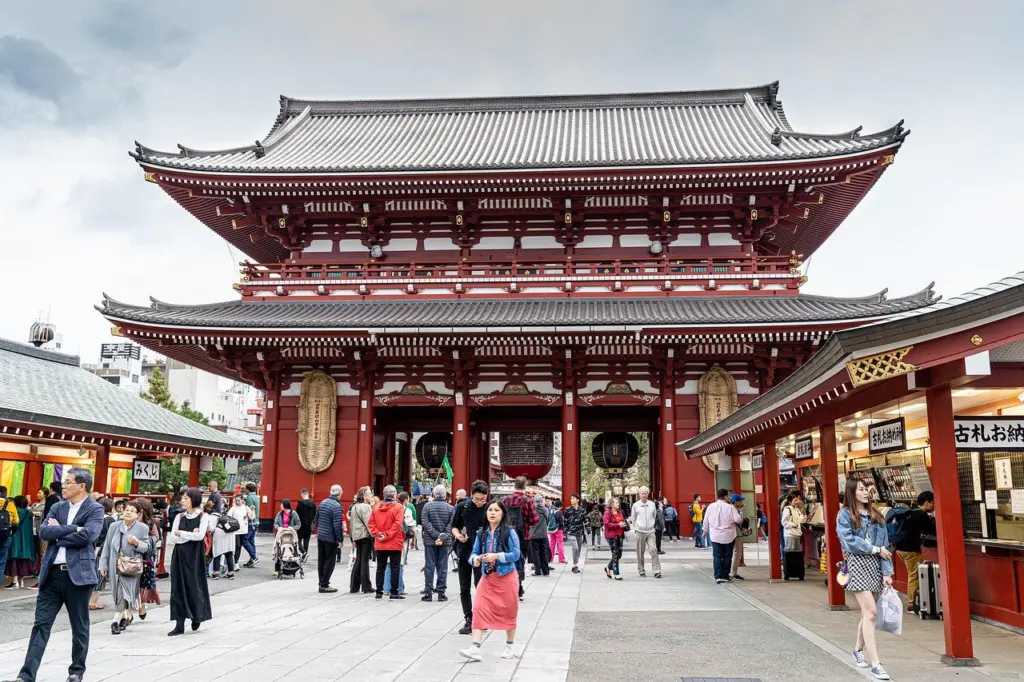
Bon Traveler describes Asakusa as a small neighborhood with cultural sights and ryokan stays. It suits travelers who want a traditional feel and will accept a quieter base. Rough Guides points to Senso-ji here as Tokyo’s oldest Buddhist temple, which makes Asakusa an easy first-morning stop.
Shibuya
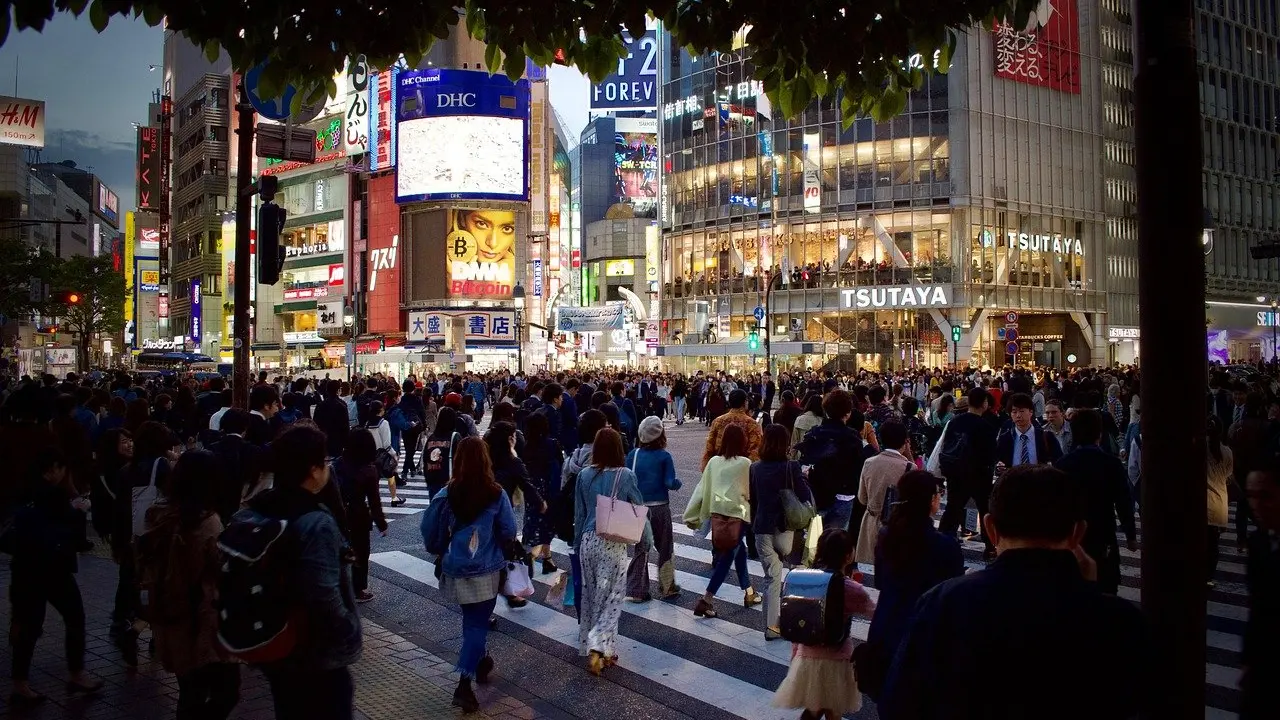
Shibuya suits travelers who want to be in the middle of the action. Rough Guides describes its scramble crossing as hundreds of people crossing at once from all directions. Staying there puts the crossing within walking distance of your door. That is a good fit if evenings out matter more to you than a quiet street.
Making three days work
With only three days, protect your priorities and drop the rest. Bon Traveler’s advice is to keep days 1, 3 and 4 of his five-day plan, so you can follow his plan and skip the middle day. This works because it avoids squeezing five days into three.
To build your own version from the same material, anchor one day on the cultural side with Senso-ji in Asakusa. Japan Starts Here lists Senso-ji together with the nightlife districts of Shibuya and Shinjuku among the city-centre attractions that fit into a single day. Treat that kind of day as one block and spend the remaining time on a single area or interest instead of switching districts all day.
Getting around Tokyo
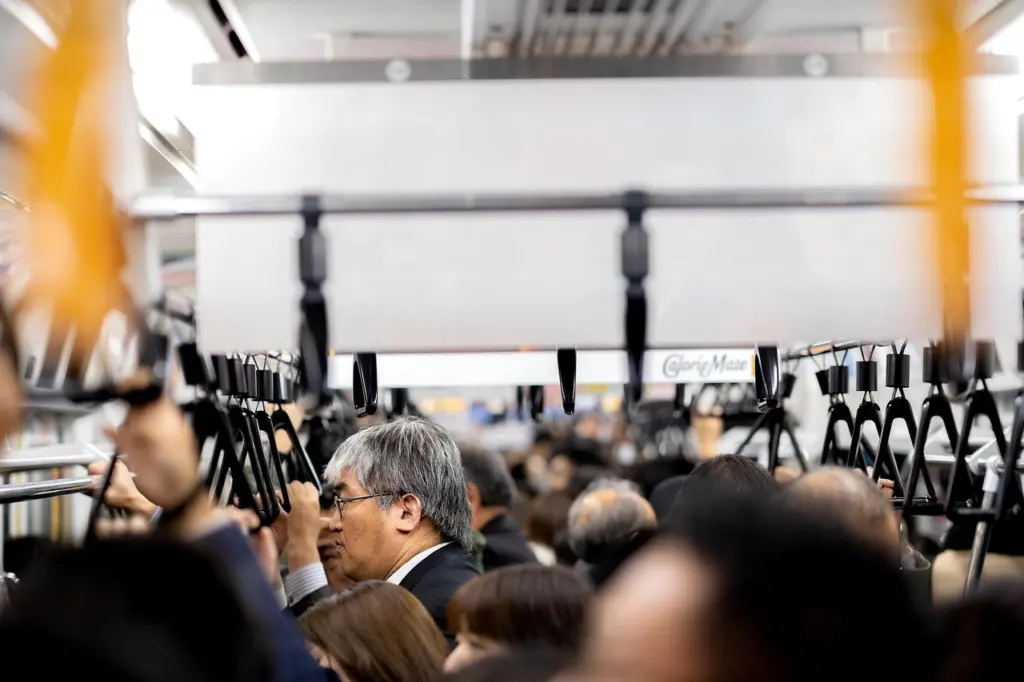
The simplest way to get around Tokyo is the subway and local trains with a rechargeable IC card. Bon Traveler recommends a rechargeable IC card like the Suica, and Midnight Blue Elephant names Suica and Pasmo as the most famous ones.
The card matters because each train line system has its own tickets. Tapping one card avoids buying a separate ticket for every operator, which saves time at the machines on each of your days. Walking to a station near your base then becomes the main daily transport decision.
Day trips from Tokyo
Japan Starts Here says the most popular day-trip options are Nikko and Kamakura. Following Bon Traveler’s pattern of keeping the fifth day for an excursion, one day trip fits a stay of about that length. Pick one rather than trying both unless you have extra days, and treat it as a replacement for a city day rather than an addition to a full schedule.
Seasons and packing
Weather affects how comfortable your days are more than how many you need. Whimsy Soul warns that summer brings very hot days, so carry a handheld fan. In the cold months, the same source notes that train stations and restaurants have the heat blasting, so wear layers you can take off indoors. In hot weather, build shade and breaks into long walking days instead of adding more stops.
Frequently asked questions
How long does it take to reach central Tokyo from the airports?
Bon Traveler gives the Narita Express as 53 minutes direct to Tokyo Station. From Haneda, he calls the Keikyu Line to Shinagawa Station the fastest rail link, at 11-20 minutes.
Can I put a Suica card on my phone?
Whimsy Soul says iPhone users can add Suica to Apple Wallet. Android users buy a physical card at a major station.
How much time should I allow for teamLab?
One visitor account on Whimsy Soul says they took about 3 hours to explore it. Plan it as a half-day block rather than a quick stop.