| Museum | What stands out | Planning use |
|---|---|---|
| The Met | Around two million pieces across centuries and genres; the main building opened in 1880 on 13 acres of Central Park property | Choose a few galleries in advance. Expect to return rather than finish it in a single sweep. |
| MoMA | More than 200,000 modern and contemporary pieces; the current building opened in 2004; Van Gogh’s The Starry Night is on permanent display | Best when you want famous modern works without committing to a sprawling collection. |
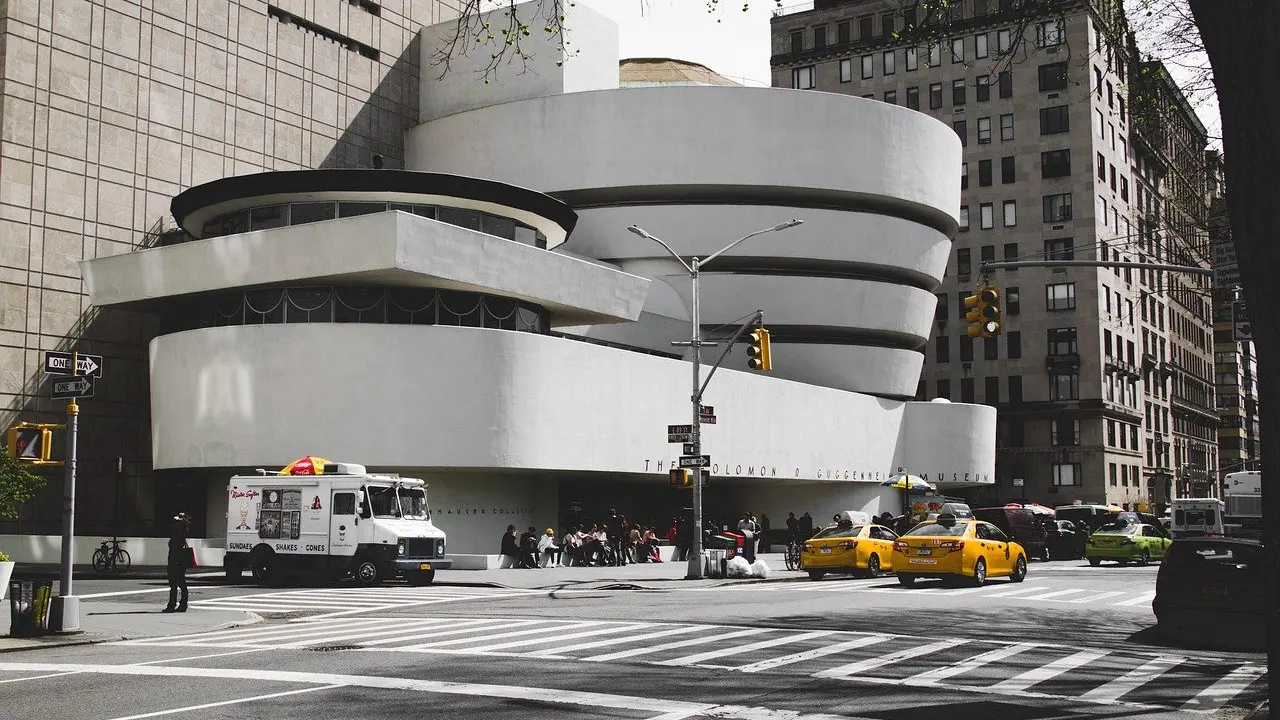
| Guggenheim | Presents art in a flowing, winding spiral | Choose it when the building is part of the reason you are going. |
| Whitney | Nearly 15,000 artworks by 2,000 artists in 63,000 sq ft of indoor and outdoor space; home of the Whitney Biennial | Suits a shorter visit focused on American art. |
Figures come from a Met versus MoMA guide and a roundup of popular NYC art museums.
The best art museums in NYC depend on what you want from a visit: the Met for sheer breadth, MoMA for modern masterpieces, the Guggenheim for its building, and the Whitney for American art.
Museums work best as anchors in a longer itinerary, and how to plan a weekend in a new city shows how to fit them around meals, walks and downtime.
Choosing by visitor need
No single museum wins for every visitor. The useful question is what kind of day you want, because collection size and building style change how a visit feels.
- Breadth and famous masterpieces: The Met suits visitors who want many periods and genres under one roof. Its scale means you should arrive with a short list rather than a plan to see everything.
- Modern icons in a manageable collection: MoMA holds more than 200,000 pieces of famous modern and contemporary art, a fraction of the Met’s holdings. That makes it the better pick if Van Gogh, Picasso-era modernism and contemporary work are the draw.
- Architecture as part of the art: The Guggenheim suits people who care as much about the setting as the works. Its collection is small enough to enjoy in one visit, so it does not demand a full day.
- Current American art: The Whitney suits visitors curious about living artists and recent American work, with the Biennial as its signature exhibition.
- Families: MoMA’s Art Lab hosts free special programs for children under 16 years old, which makes it a practical choice when children are in the group.
If you have time for only one, pick the Met for a first-ever trip to the city and MoMA if modern art is the reason you are going. Add the Guggenheim or Whitney once you know whether you prefer architecture or contemporary American work.
How collection size shapes a visit
Collection size is the main reason these museums feel so different. A very large museum rewards selection, while a smaller one rewards a straight walk-through.
The Met: select, do not sweep
The Met houses around two million pieces spanning multiple centuries and genres, on 13 acres of Central Park property. Trying to cover it all is the commonest way to leave tired and unsatisfied. The practical advice from one NYC museum guide is to choose a couple of things you really want to see and let everything else be a bonus. Treat the Met as a place to return to rather than a checklist to finish.

MoMA: a focused modern collection
MoMA’s holdings of more than 200,000 pieces are far smaller than the Met’s, and the museum’s permanent highlights are concentrated in modern and contemporary art. Van Gogh’s The Starry Night is on permanent display, so a visitor with limited time can build a visit around a handful of famous works and still leave satisfied. That focus is the strongest argument for choosing MoMA over the Met when time is short.
The Whitney: American art at a digestible scale
The Whitney is home to nearly 15,000 artworks by 2,000 artists. It is also the home of the Whitney Biennial, an exhibition of contemporary American art that typically features younger, newer artists. Pick it for current voices rather than for canonical old masters.
How the buildings shape the visit
Each museum’s architecture changes the pace of a visit, so the building deserves a place in your decision alongside the collection.
The Met is the historic one: the building opened its doors in 1880. MoMA’s current building is much newer, having opened in 2004, and it includes a sculpture garden open all year round. That outdoor space gives MoMA a pause point that the more enclosed museums lack.
The Guggenheim’s building is the exhibit’s frame. The museum presents art in a flowing, winding spiral, so works are experienced as one continuous path rather than separate rooms. Visitors who like architecture will find the setting as memorable as what hangs on the walls, while those who want a quiet, room-by-room study may prefer another museum.
The Whitney covers 63,000 sq ft of indoor and outdoor space, so it combines gallery time with open-air areas. That mix, plus the scale of the collection, is part of why it works as a shorter stop.
When to visit and what to combine
The supported timing guidance is about how long each museum asks of you, not about a single best season. Match the museum to the time you have.
- Short window: The Whitney is small and digestible in a short visit, and the Guggenheim’s collection can be enjoyed in one visit, so either fits a half-open afternoon.
- Any season: MoMA’s sculpture garden is open all year round, so its outdoor space is not a warm-weather extra.
- Long stretch: Give the Met the most generous slot, and keep your short list of galleries in hand.
Before you go, check each museum’s official site for current hours, ticket arrangements and exhibitions, since special shows can change what is on view. Museum days also pair well with other ways of seeing a city: if you like exploring on foot, the format used in Charleston On Foot: The Ultimate Self‑Guided Walking Tour (2‑Hour Route + Local Tips) shows how a self-guided route can structure a day. Travelling alone also suits museums, and Best Cities For Solo Travel In 2026: 4 Friendly Picks For English Speakers compares destinations for solo trips.
Frequently asked questions
How far apart are MoMA and the Met?
They are 2 miles (3.2 km) apart, about a 35-minute walk through Central Park, so doing both in one day costs real travel time.
What is the Whitney Biennial?
It is an exhibition of contemporary American art, typically by younger, newer artists, and it is the Whitney’s signature show.
Which museum has free programs for children?
MoMA’s Art Lab hosts free special programs for children under 16 years old.
Where can I see The Starry Night?
Van Gogh’s The Starry Night is on permanent display at MoMA.