The backpacking guide published under the cwbiancavoyage name on Conversations with Bianca is a sensible, beginner-level checklist, but it reads more like a general template than a trip report. This review covers what it says, what it does well and what is missing.
| Point | Assessment |
|---|---|
| Best part | Clear order: plan, pack, trail routine, safety |
| Weak part | No named trips, dates or costs |
| Skill level | Beginner to early intermediate |
| Safety advice | Sound basics, not a substitute for local rules |
| Overall | Useful as a checklist, thin as a first-hand account |
What backpacking tips cwbiancavoyage promises
The article opens by presenting backpacking tips cwbiancavoyage from conversationswithbianca as practical advice drawn from real trip experience. It then lists concrete steps: how to plan routes, pack light, stay safe, handle money and respect local communities. A table of contents and a short list of key takeaways come first, which makes the page easy to scan.
The site behind it is a family and lifestyle blog whose menu runs through parenting, traveling, gifts, food and drink, working mom and mom style. The home page names Bianca Johnson as founder and describes her as a marketer and entrepreneur. The backpacking article itself carries only an author handle, not a name, and it never mentions a specific trip, which is the first reason to read it as general guidance.
What the conversationswithbianca guide gets right
The advice is well ordered. Planning comes first: set a daily distance, pick a season that suits your fitness, check local holidays and weather, mark bailout points, book the first and last nights, add buffer days and share the itinerary with a trusted contact. These are the habits experienced walkers repeat, and none of it is controversial.
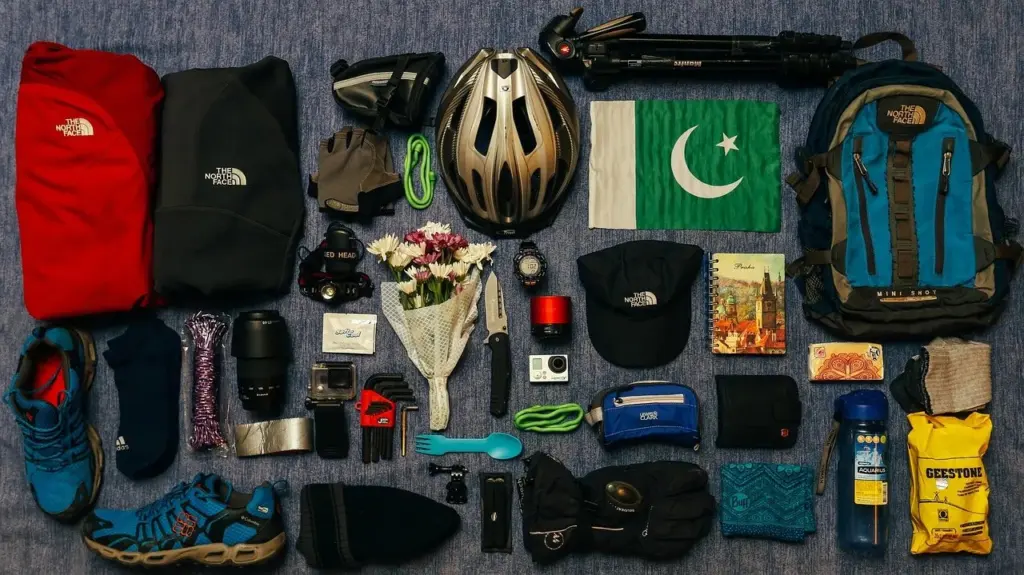
The packing section is equally sound. It favours quick-dry fabrics, a base layer, an insulating layer and a rain shell, a lightweight sleeping system, a compact stove, water treatment, a first-aid kit, repair tape, a multi-tool and a headlamp. It suggests rolling clothes, using compression sacks, and scanning key documents to cloud storage. The trail section covers an early start, steady pacing, durable campsites away from water, and storing food from animals with hang bags or canisters.
Where the cwbiancavoyage voice falls short
The weaknesses are about substance and style. Almost every sentence starts with the same pronoun, and the instructions are phrased as what she does, yet there are no anecdotes, photographs, route names, gear brands or costs to show it. A reader cannot tell whether the author walked a coastal path, a mountain trail or a city hostel route. That makes it hard to treat the piece as first-hand testimony, even though it presents itself that way.
There is also nothing on budgets, visas, vaccinations, insurance or local regulations, which are the questions many first-time backpackers ask. Wild camping rules and bear precautions vary widely by country and park, so the guide is a starting list, not a legal or safety brief.
How it compares with the by conversationswithbianca traveling hacks cwbiancavoyage piece
The same site publishes a sibling article, search-listed as by conversationswithbianca traveling hacks cwbiancavoyage, promising seven essential traveling hacks on planning, packing, flights, local life and safety. It follows the same pattern: short sentences, a confident tone and generic tips that would suit nearly any trip. If the backpacking article is a checklist for the trail, the hacks article is a checklist for the journey around it, and they overlap in several places.
Both are tagged as editor’s picks and filed under traveling, so the site treats them as flagship travel content. Beyond them, the travel archive also includes pieces on casino destinations, which are a different audience altogether.
Who should read it and how to use it
- First-time walkers can use the planning and packing sections as a checklist before a short trip.
- Experienced backpackers will find little new, apart from the reminder to share an itinerary and scan documents.
- Anyone heading somewhere remote should add local guidance: park permits, weather services, emergency numbers and route reports from official sources.
The verdict is mixed but fair. The advice is safe, tidy and easy to follow; its limits are the missing detail and the lack of anyone to hold to account. Use it to organise your own preparation, then go and check the specifics that matter for the place you are visiting.
Gaps worth filling before you go
A review is only useful if it points to what is missing, so here is a short list of questions the guide leaves open. Where will you sleep each night, and do you need a booking or permit? What does the route look like in wet weather, and how many hours of daylight will you have? Who knows where you are, and when should they call for help if you do not check in? What is the nearest place to resupply food and water, and how far is the nearest road?
Answering those with a map, a weather service and a local office is what turns a generic checklist into a plan. Money is the other gap. The guide recommends several payment methods and secure document storage, which is good, but it does not say how much cash to carry or how to handle a lost card in a remote area. Write down the emergency number of your bank before you leave, and keep one printed copy of your passport page away from the original.
Contact and trust at a glance
The Contact page asks readers to email the site, notes that it receives many inquiries and promises to respond as soon as possible. No phone number is given. Reviews of this kind do not replace your own checks, so compare any gear or safety claim with a retailer, a park service or an experienced hiking club.