
| Effect of going car-free | What the evidence shows | Planning use |
|---|---|---|
| Cost | Cheaper than life with a car, but with costs you may not expect. One illustration weighs $100 more a month in rent against $350 a month in car costs. | Compare any rent premium for a better location with your own car costs before deciding. |
| Routine | Car-free living depends on structuring your life around what is accessible by transit. | Choose where you live, work and shop around transit-served places. |
| Spontaneity | Trips need advance planning for both directions. | Check the return leg and the last departure time before you leave. |
| Occasional car needs | Car-sharing services such as ZipCar and Enterprise Car Share exist in more communities. | Join one service for jobs transit cannot do instead of keeping a car. |
| Connectivity | Only a few neighborhoods connect well to points of interest in every direction, and some origin-destination pairs are impractical without a car. | Test your hardest regular trips before giving up a car. |
These effects draw on Living on the Cheap’s guide to going car-free and Seattle Transit Blog’s account of living without a car.
Yes, you can learn how to live without a car when your regular trips are served by transit, walking or cycling and occasional car access covers the rest. The main condition is location: some neighborhoods work far better than others.
Location is also the biggest lever you control, so if you are still choosing where to live, read how to choose a neighborhood in a new city alongside this guide.
What changes when you drop the car
Going car-free changes your money, your time and your habits, and the changes arrive together. Knowing them in advance lets you decide whether the trade suits your life.
- Money moves rather than vanishes. Living on the Cheap says car-free life is cheaper than life with a car, but involves costs you may not have thought about. A writer at Seattle Transit Blog reported in 2013 that car sharing, taxis and rentals added up to hundreds of dollars every month. Budget for those substitutes instead of assuming the whole ownership bill disappears.
- Rent can absorb part of the saving. The same Living on the Cheap guide quotes Jason Rothstein’s illustration: if $100 more a month in rent allows you to save $350 a month in car costs, the higher rent is a sound trade. Use it as a method, not a promise, because your own rent difference and car costs will differ.
- Large repair bills stop being your problem. One household in that guide faced an estimated $2,000 to $4,000 to repair an SUV. A car-free budget does not carry that kind of shock, which is worth weighing against the smaller, steadier costs of transit and shared services.
- Walking and biking increase. Not having a car leads to more walking and biking, which most people experience as a benefit of the change rather than a cost.
- Spontaneity shrinks. Living on the Cheap warns that spontaneity largely disappears because trips need planning in both directions. If last-minute travel matters to you, plan for a car-share membership or a rental from the start.
Calculate your own yearly ownership cost from your actual bills and compare it with a realistic car-free spend. If you are weighing a big, expensive city, How Much Does It Cost To Live In NYC In 2026? A Practical Monthly Budget Breakdown shows where transport sits among other monthly costs.
Self-assessment: will your trips work without a car?
The decision depends on your real routes, not on a general feeling about transit. List the trips you make most often, such as work, care duties, groceries and social visits, and test each against the checks below.
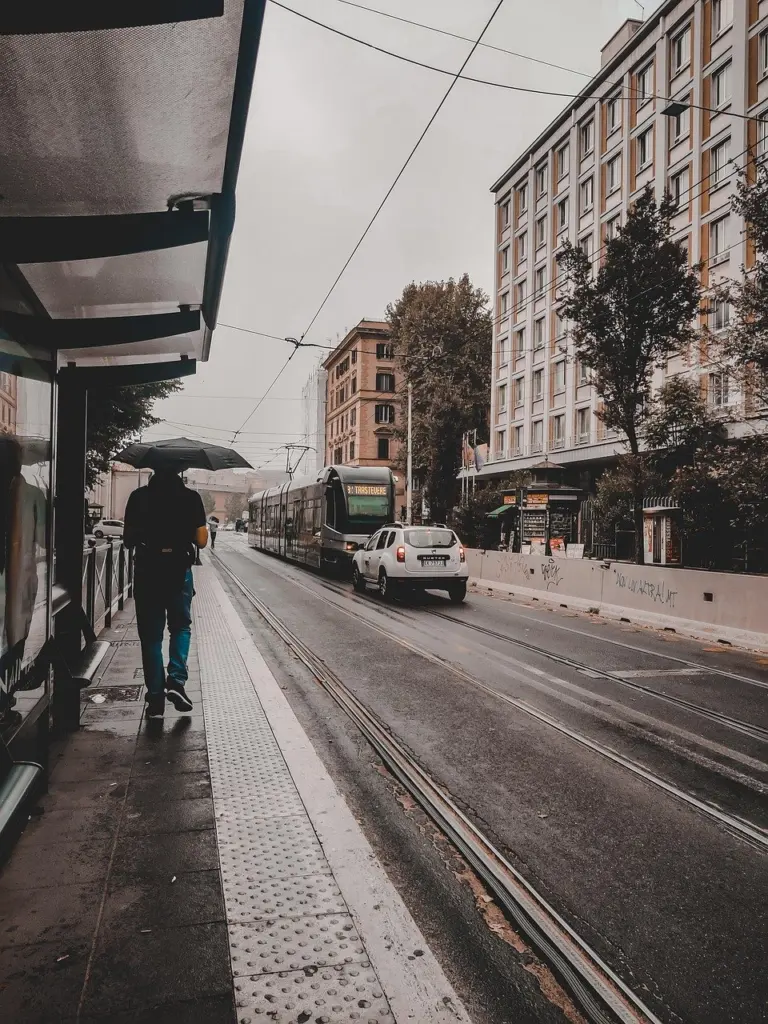
- Check how far transit actually reaches. Mapnificent shows where you can get from a given location by public transit within a set time. Run it from your home and from the address of any apartment you are considering.
- Check walkability. Walk Score ranks neighborhoods by walkability and connects that information to rental apartment listings; the guide cites an example neighborhood that scores 88. A high score helps most when your groceries, pharmacy and transit stop are all on the same walkable street.
- Test your hardest trip first. Seattle Transit Blog notes that only a few neighborhoods have strong connectivity to points of interest in every direction, so some origin-destination pairs are impractical without a car. If your most important trip fails, a car-free move will not work for you yet.
- Decide how much planning you will accept. A routine of checking schedules and return legs suits people who like predictability. If that feels like a burden, keep part-time car access rather than none.
If your essential trips pass these checks and only a few occasional ones fail, you are a good candidate. If your daily commute fails, fix that first by moving or changing the commute rather than hoping the gap closes.
Getting around: transit, bikes, scooters and car sharing
Most car-free routines combine several modes, with one reliable default for the daily trip and backups for the rest.
Public transit and transit apps
Seattle Transit Blog puts the principle plainly: the key is to structure your life around what is accessible via transit. In practice, that means choosing your home, your gym and your regular shops by their access to frequent routes, not the other way round. Save your regular journeys in a transit app so live arrivals and alternative routes are one tap away, and keep a second route in mind for your most important destination.
Walking and bike lanes
Walking is the base layer of a car-free routine, and cycling extends it. Bike lanes matter most for regular commutes, because a continuous protected route is easier to commit to than a patchwork of busy streets. For cities where riding is easiest, see The 10 Most Bikeable Cities In The U.S. (2026): Where To Ride, Why They Excel, And How To Make The Most Of Them.
Shared bikes and e-scooters
Shared micromobility is now mainstream in US cities. ZAG Daily, reporting NACTO findings, says shared bike and scooter programs operate in more than 100 US cities and that NACTO counts at least half a billion trips on micromobility systems in the region since 2010. NACTO describes shared bikes and scooters as embedded in the day-to-day lives of millions of people. Use them to bridge a gap between a transit stop and a destination, but confirm that a system covers your neighborhood before you rely on it.
Car sharing for occasional needs
Living on the Cheap notes that more communities now have services such as ZipCar and Enterprise Car Share. Car sharing suits the odd trip that no other mode serves, such as an out-of-town visit. Heavy, frequent use is the sign that a different housing location may serve you better.
Groceries and errands without a car
Groceries are usually the first practical worry, and they have several workable answers that depend on where you live.
- Delivery. Depending on where you live, grocery stores and restaurants may offer delivery. It suits heavy items or weeks when you cannot fit a shop in, but availability varies, so check your own area first.
- Carts and wagons. The same guide’s authors use a granny cart and a Radio Flyer wagon on errands, including for groceries, Christmas trees and donations. A cart suits a store within walking distance and avoids carrying heavy bags.
- A cargo bike. A front box or similar carrier turns a cycling route into a shopping route. It fits people with safe bike routes to a store and enough storage space at home.
- A car-share trip for big shops. When a load outgrows a cart or bike, a booked car-share vehicle covers it without owning a car.
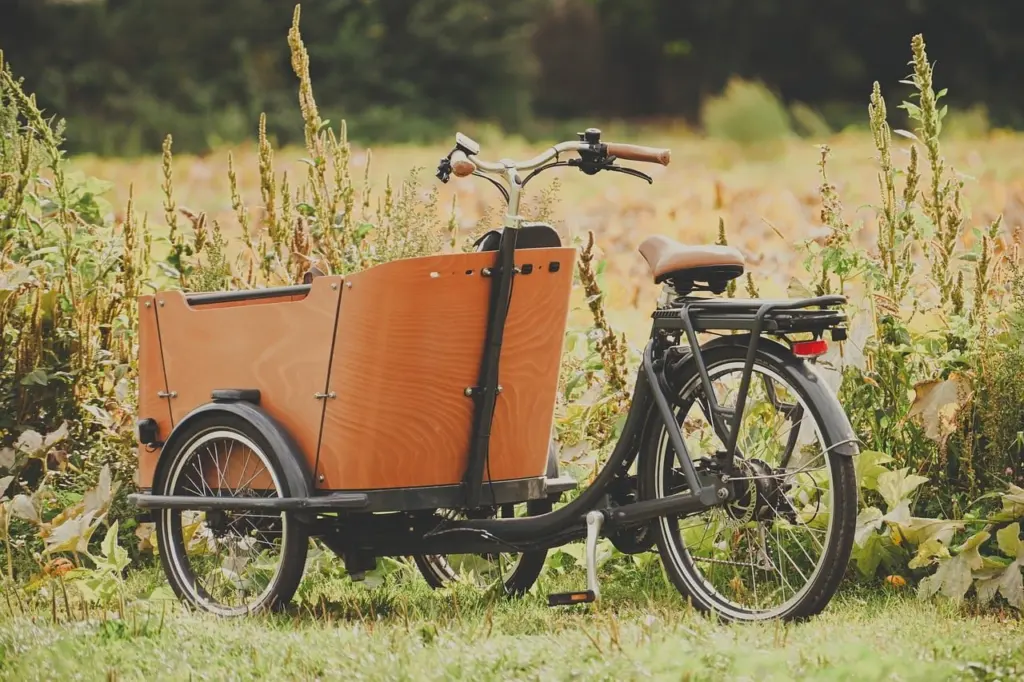
Combine these rather than choosing one. Batch your shopping into a few planned runs so each method carries only what it suits.
Housing and weekly routines that last
A car-free routine holds up when your home and your week are arranged around it, rather than treated as a workaround.
- Search with walkability in mind. Because Walk Score links neighborhood rankings to rental listings, you can filter your apartment search by the same criterion you use for daily errands.
- Keep your backup visible. Know which second route, shared bike or car-share option covers a missed connection, so a delay is an inconvenience instead of a crisis.
- Review after a trial stretch. Record what you spent on transport and where delays occurred. Adjust one habit at a time so you can see which change helped.
Treat a rainy day or a missed bus as information about what to plan for, not as evidence the whole approach has failed.
Frequently asked questions
Do electric bikes make a car-free life easier?
They can. Lifehacker notes that some models give you longer range by providing their own motion, which helps if your routes are long or hard to pedal.
What can I do when transit does not fit a trip?
A taxi app is a practical fallback. One account describes an app that shows your location on a map and lets you request a cab, with the driver’s location and arrival time visible once the cab is accepted.
Is going car-free harder outside cities?
Usually. Lifehacker observes that public transit is typically most widespread in urban settings, so outside them you will lean more on walking, biking and shared services, and some trips may stay impractical.