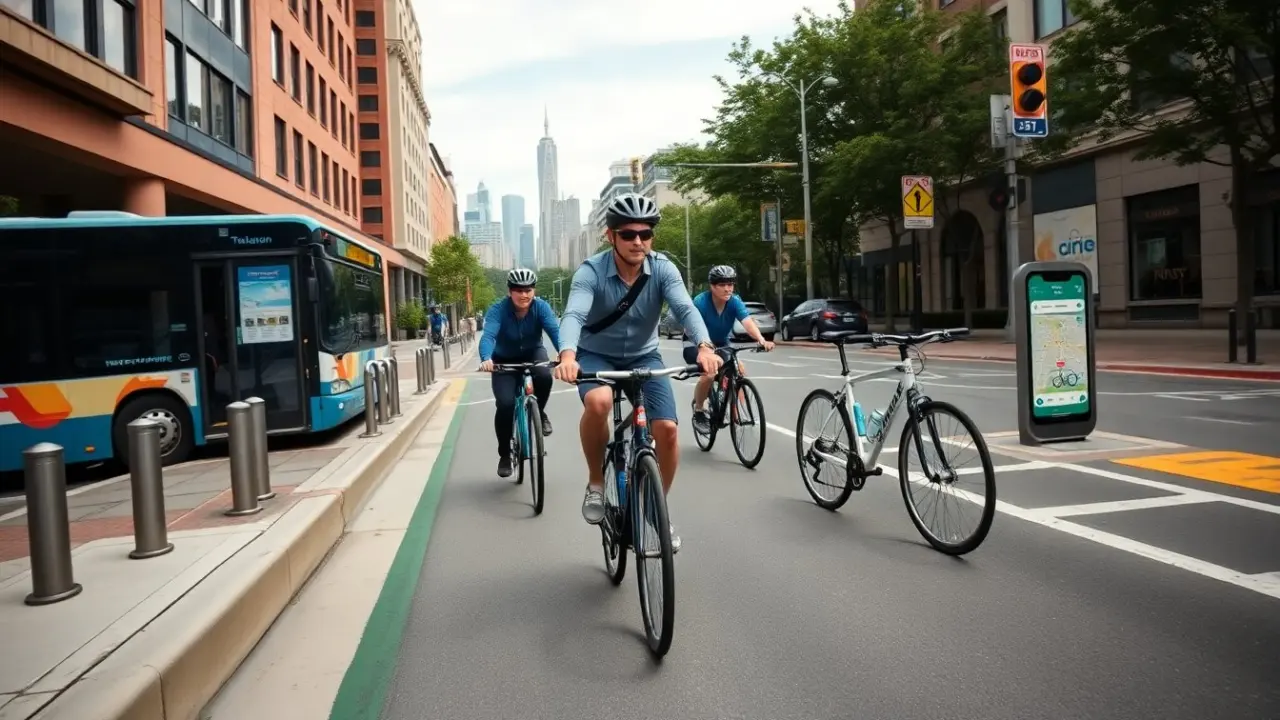
The most bikeable cities in the us list shows where riders find safe streets, good lanes, and strong bike culture. The list ranks cities by infrastructure, safety data, network reach, and year-round use. Readers will learn what makes a city bikeable and how to pick a city that fits their riding style. The article uses clear data and practical tips for riders and commuters. Whether you commute daily, run errands by bike, or plan weekend rides, understanding which places genuinely prioritize cycling helps you choose a home or a destination that supports your needs. This guide focuses on observable features—lane types, connectivity, multimodal integration, maintenance practices, and community support—so you can compare cities at a glance and dig into local resources.
Key Takeaways
- The most bikeable cities in the US offer safe, connected bike lanes, strong infrastructure, and supportive policies for riders.
- Portland, Minneapolis, and Washington, D.C. lead the rankings with best-in-class bike networks and year-round riding opportunities.
- Cities like Boulder, Austin, Seattle, and Boston are rapidly expanding their bike infrastructure to improve commuting and safety.
- Madison, Tucson, and San Diego provide great options for both leisure and practical cycling, balancing weekend riding and urban mobility.
- Choosing the best bikeable city depends on your riding style, whether commuter, recreational, or urban explorer, with attention to bike lanes, trails, and transit integration.
- Riders should prioritize safety by wearing helmets, using lights, following local laws, and utilizing bike apps to navigate bike-friendly cities effectively.
- Look beyond headline rankings: check connectivity between neighborhoods, winter maintenance plans, and bicycle parking near workplaces and transit hubs when assessing a city.
What Makes A City Truly Bikeable
A bikeable city gives riders safe routes, clear signage, and reliable connections. It offers protected bike lanes, low-traffic neighborhood streets, and good bike parking. It enforces traffic laws that protect cyclists and collects safety data. It supports public transit that integrates bikes. It funds maintenance and updates maps and apps. Local businesses and residents accept bikes as a normal part of street life. These factors combine to make a city rideable for daily trips and for fun.
Digging deeper, several practical elements separate a merely bike-friendly place from a truly bikeable one:
- Continuity: Protected lanes should form continuous corridors rather than short, disconnected segments so riders can travel reliably across neighborhoods.
- Intersection design: Proven treatments—such as separated intersections, bike boxes, and signal timing that favors vulnerable users—reduce conflicts and crashes.
- Seasonal maintenance: Plowing, sweeping, and quick repairs keep routes usable in winter and after storms; cities that budget for maintenance maintain consistent ridership.
- Integration with transit: Secure bike parking at stations, bike racks on buses, and generous carry-on policies on rail make longer, multimodal trips feasible.
- Programs and enforcement: Education campaigns, business engagement, and data-driven enforcement of dangerous driving behaviors help protect people on bikes.
Community factors also matter: active local cycling organizations, bike shops, and advocacy groups accelerate improvements and create clearer feedback loops between riders and planners. A genuine focus on equity—ensuring low-income neighborhoods receive safe routes—also shapes how broadly bikeability benefits residents.
Top 10 Most Bikeable Cities In The U.S. (2026) — Quick Rankings And What Stands Out
This section lists the most bikeable cities in the us and highlights each tier. The rankings reflect recent infrastructure spending, crash rates, and rider satisfaction. Each short profile below notes what stands out about the city for commuting, leisure riding, or year-round utility so you can match features to your priorities.
Cities 1–3: Best-In-Class Infrastructure, Safety, And Year-Round Riding
- Portland, OR leads with a dense network of protected lanes and clear city policy. The combination of neighborhood greenways, protected downtown corridors, and active bicycle coalitions creates coordinated planning and maintenance. Bike culture is visible in commuting patterns, advocacy presence, and strong bike retail and service support.
- Minneapolis, MN sits close behind with connected trails and low crash rates. The city’s regional trail system links parks, lakes, and neighborhoods, offering both recreational and commuter options. Winter maintenance priorities on key corridors help sustain riding through colder months, and separated lanes along main routes reduce vehicle-bike conflicts.
- Washington, D.C. offers wide protected avenues and strong bike-share options. The District pairs high-capacity protected lanes on major streets with trail connections along rivers and parks, making it practical for commuting and urban exploration. Integration with transit and dense employment centers supports high bike-to-work mode share in many neighborhoods.
Cities 4–7: Strong Networks, Growing Investment, And Great Commuter Options
- Boulder, CO keeps expanding its off-street paths and commuter links. The city prioritizes safe connections between residential areas and major employment centers, and its trail network supports both daily trips and scenic recreational rides.
- Austin, TX invests in protected lanes and safe intersections. Recent projects seek to close gaps in the network and provide reliable east-west and north-south corridors that support commuting and short trips.
- Seattle, WA mixes uphill routes with frequent bike lanes and a growing bike-share system. The city’s focus on protected corridors and neighborhood greenways helps riders avoid high-traffic arterials while reaching transit hubs and commercial districts.
- Boston, MA adds protected lanes and connects quiet streets to major corridors. Dense neighborhoods, short trip distances, and increasing investments in curb-separated facilities make cycling competitive with other modes for many daily trips.
Cities 8–10: Emerging Bike Hubs And Great Weekend Riding
- Madison, WI combines lakefront trails with city lanes. Its compact layout and a strong university presence create high cycling rates and a mix of utilitarian and recreational routes.
- Tucson, AZ offers long low-traffic streets and great winter riding. Dry climate and extensive low-traffic corridors make it appealing for year-round training and long-distance recreational rides.
- San Diego, CA links coastal paths with urban lanes. The region’s emphasis on scenic shorefront routes alongside urban connectivity supports both commuting and leisure cycling, with warm weather extending riding seasons.
Across tiers, common strengths include clear planning documents, measurable targets for lane miles and safety improvements, community engagement, and visible investments that translate into more people choosing bikes for everyday trips. When comparing cities, look for recent project lists, bike network maps, and local forums where planned projects and maintenance schedules are discussed.
How To Choose The Best City For Your Riding Style (Commuter, Recreational, Or Urban Explorer)
A commuter needs direct routes, secure parking, and good transit integration. Check commute corridors, bike lane density, and employer bike policies. A recreational rider needs scenic routes, long off-street trails, and good weekend events. Look for trail networks, greenways, and trail maintenance records. An urban explorer wants mixed-use streets, bike-share access, and cultural spots within a short ride. Review city maps, bike apps, and local cycling groups. Riders should test a city for a day before they plan a move.
Use this checklist to evaluate a city before deciding:
- Commute reliability: Are there continuous, protected routes between your home and work? Is transit available for last-mile connections?
- Year-round practicality: Does the city plow and maintain key bike corridors in winter or after storms?
- Parking and storage: Do apartment buildings, workplaces, and transit stations offer secure bike parking?
- Bike culture and services: Are there local bike shops, repair resources, and active advocacy groups to support day-to-day riding?
- Topography and climate: Consider hills and seasonal weather and how they match your preferred bike and fitness level.
Try these practical steps: plan a short test commute using local route maps or apps, visit bike shops and ask local riders about everyday challenges, and check municipal planning documents for upcoming projects that may improve (or disrupt) routes you’d use often.
Quick Tips For Riding Safely And Getting Around In Bike-Friendly Cities
Always wear a helmet and use lights at night. Scan intersections and make eye contact with drivers. Use dedicated lanes when available and signal lane changes. Lock the bike with a sturdy U-lock and park in visible spots. Carry a small repair kit and a pump or CO2 inflator. Learn the local laws about riding on sidewalks and lane use. Use apps that show protected lanes and bike counts. Plan routes that favor low-traffic streets and continuous bike facilities. Join a local group for route tips and safety updates.
Additional practical advice for city riding:
- Visibility and signaling: Wear visible clothing, use a white front light and red rear light, and use clear hand signals or electronic indicators when turning.
- Intersection strategy: When approaching complex intersections, position yourself predictably in the lane, and if required, dismount at marked crossings where local rules or safety recommend it.
- Security and theft prevention: Register your bike when local programs allow, document serial numbers, and consider using two locks for longer stops—one for the frame and a cable or secondary lock for the front wheel.
- Tools and maintenance: Keep a compact multi-tool, spare tube or patch kit, and quick tire levers. Learn basic roadside fixes like changing a tube and adjusting brakes.
- Community resources: Subscribe to local bikeway alerts, follow municipal transportation departments for detours or construction updates, and attend community rides to learn preferred routes.
Following these tips and choosing a city with a strong, connected network will make everyday biking safer and more enjoyable. When researching the most bikeable cities in the us, focus on continuity, maintenance, and how well a city’s network supports the trips you plan to take most often.