| Museum or ticket | Supported detail | Planning use |
|---|---|---|
| Louvre, Paris | Antiquities and European painting, including Leonardo’s Gioconda; described as arguably the world’s most famous museum | Choose it for headline names, and decide on one department before you arrive rather than trying to cover the whole building |
| Prado Museum, Madrid: tickets | General admission 15 euros; reduced admission 7.50 euros for groups including visitors over 65 and Youth Card holders | Check whether you qualify for the reduced rate before you book |
| Prado Museum: opening hours | Hours differ between weekdays and Sundays and public holidays | Arrive at opening if you want the rooms with fewer people |
| Prado Museum: free entry | Free for everyone Monday to Saturday 18:00 to 20:00 and on Sundays and holidays 17:00 to 19:00, subject to conditions | Suits a short, selective look at a few rooms, not a full visit |
| Paseo del Arte Season Ticket | 40.40 euros, covering the Prado, Reina Sofía and Thyssen-Bornemisza | Worth considering only if you will enter all of those museums |
| Prado Museum: collection on view | About 1,800 paintings displayed under normal conditions | Pick a short list of works beforehand |
Prado figures come from a Madrid museum visiting guide, and the Louvre description from Art Wolf’s listing of European museums.
The best art museums in Europe work best when you choose by city, book tickets ahead and follow a focused route. Start with the Louvre in Paris, the Prado in Madrid and the Van Gogh Museum in Amsterdam.
If these museums are part of a longer trip, our guide on how to plan a weekend in a new city shows how to fit them around meals, transit and downtime.
Choosing museums by city
Pairing each collection with its city turns a long wish list into a workable plan. The limiting factor is rarely the art. It is how much of a day a single museum can reasonably take, and what else sits nearby.
Paris: the Louvre
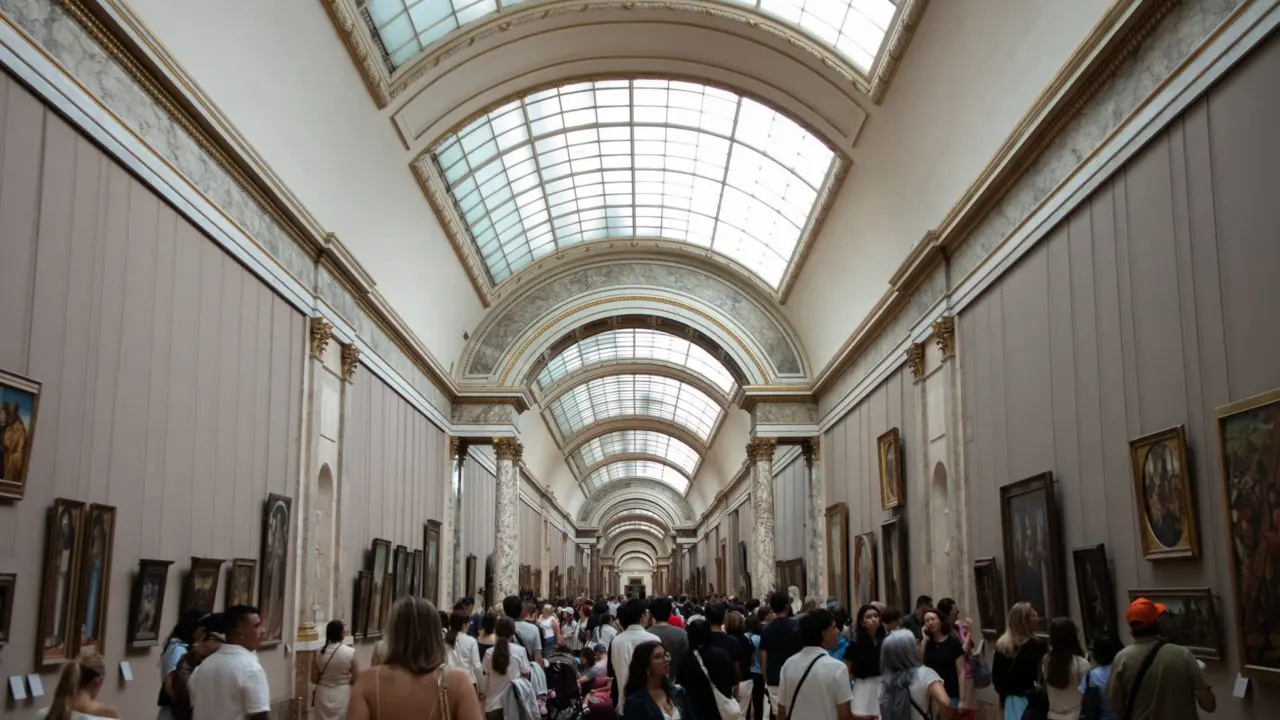
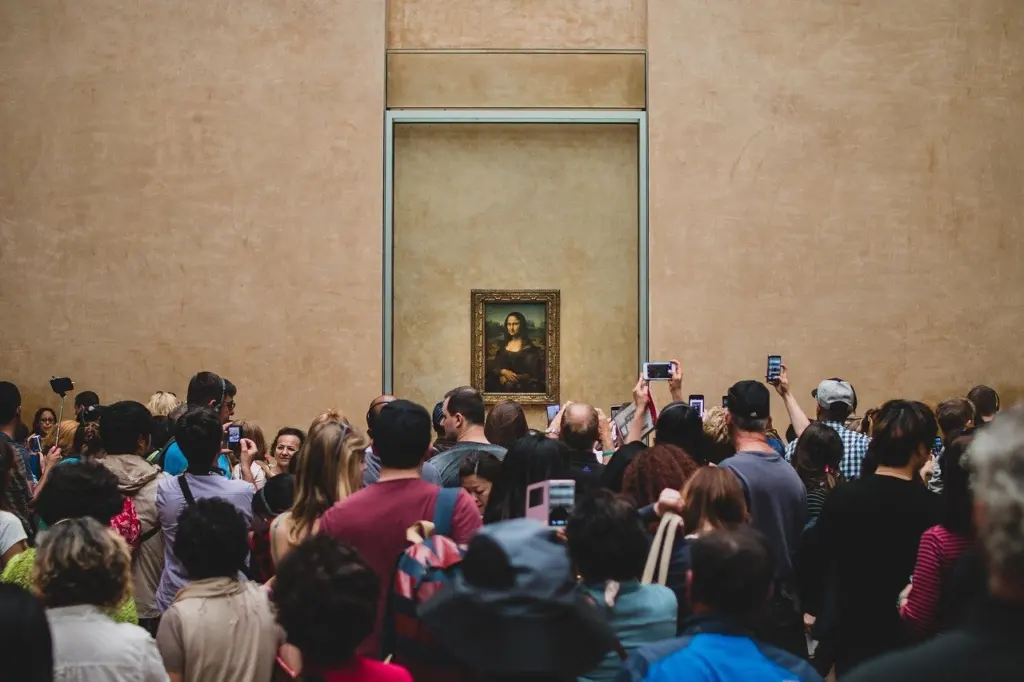
Art Wolf calls the Louvre arguably the world’s most famous museum, with antiquities and European painting that include Leonardo’s Gioconda. That fame has a practical consequence. The museum holds so much, and draws so many people to its best-known work, that a visit with no plan tends to dissolve into corridors and queues. Treat the Louvre as a museum to enter with a chosen department or theme, and accept that you will leave much of it unseen.
Madrid: the Prado and the Art Walk
The Prado is the anchor of Madrid’s museum district, and the visiting guide notes it can be combined with other prominent museums on the Art Walk, namely the Reina Sofía and the Thyssen-Bornemisza. The Paseo del Arte Season Ticket covers all three for 40.40 euros. Your choice depends on how many of those museums you intend to enter:
- Prado only: general admission at 15 euros is the simpler purchase, and it leaves the rest of the day free for the city.
- Prado plus its neighbours: the season ticket makes sense when you are certain you will visit all three, and a plan with fewer stops does not justify it.
- Short on time: keep to the Prado and use the free-entry window described below for a brief, targeted visit.
Amsterdam: the Van Gogh Museum
The Van Gogh Museum sits in central Amsterdam. One art blog describing the area notes flocks of tourists and queues next door, beside the Stedelijk. Do not schedule a tight connection straight after the visit. The neighbouring Stedelijk also makes this stretch a natural place to pair a single-artist museum with a broader look at contemporary work, if that matches your taste.
Tickets, free entry and timing
Booking ahead is the most reliable way to protect your time at a busy museum. For the Prado, the guide says tickets should be bought online in advance, which lets you choose a day and time and avoid the ticket-office lines.
The Prado’s daily hours differ between weekdays and Sundays and public holidays. The guide also lists free admission for everyone during the evening closing stretch on weekdays, and on Sundays and holidays. These windows are the closing stretch of the day, and conditions can apply, so confirm them with the museum before you rely on them. Which option suits you depends on your priorities:
- Timed paid ticket: best for a first visit when you want unhurried rooms and a guaranteed entry slot.
- Free evening window: best for a second look or a single gallery, since little time remains before closing.
- Reduced admission: 7.50 euros for groups that include visitors over 65 and Youth Card holders, so check eligibility before paying the general price.
The same logic applies elsewhere in Europe. At the Louvre and the Van Gogh Museum, the pressure falls on the entrance and the best-known works, so check each museum’s official site for current ticketing before you travel.
Must-see works and pacing
A short list of works makes a large museum manageable. At the Louvre, Leonardo’s Gioconda is the obvious anchor, and building the visit around the painting collection that holds it gives the day a clear spine. For other rooms, use the museum’s own floor plan to locate galleries before you go.
The Prado shows how quickly scale can overwhelm a visit: the guide reports about 1,800 paintings displayed under normal conditions. Nobody can look properly at that many in one sitting, so these habits help:
- Choose by theme or artist: decide in advance which painters or rooms matter to you, then treat everything else as a bonus.
- Put the hardest viewing first: the rooms you care most about deserve your freshest attention, not what is left after an hour of wandering.
- Stop early: a shorter visit with a few works properly seen beats a march past everything.
Classic collections or modern art
“Best” depends on what you want to see. One list of modern art museums in Europe states plainly that you will not find the Louvre or the Prado there, which marks both as classic rather than modern collections. If your trip is built around antiquities, older European painting and the best-known names, the Louvre and the Prado fit. If you prefer contemporary work, use a modern-art list and treat the classic museums as a separate choice, perhaps balanced with a neighbouring contemporary museum such as the Stedelijk in Amsterdam.
Fitting museums into a city trip
How long each city needs depends on how much else you want to do there. Give each major collection its own block of the day instead of stacking several together. In Madrid, the Art Walk lets you add the Reina Sofía and the Thyssen-Bornemisza if you have further time. In Paris and Amsterdam, a single museum visit with a fixed route usually leaves room for the rest of the city.
If you are choosing where to go before choosing what to see, The 6 Best Cities To Visit In Europe In 2026 — Where To Go Next compares the destinations. For readers weighing a trip across the Atlantic, The 12 Best Cities in the U.S. to Visit in 2026 — Top Picks, When To Go, And What To See covers the other side of the comparison.
Frequently asked questions
Is the Louvre the best art museum in Europe?
No single ranking settles it. The Louvre is arguably the most famous, and it holds antiquities and European painting, but the best choice depends on whether you want classic collections, a single artist or modern art.
Which museum suits visitors who prefer modern art?
The Louvre and the Prado are classic museums and do not feature on modern-art lists. For contemporary work, look for a list built around modern art, and consider the Stedelijk next to the Van Gogh Museum in Amsterdam.
Does the Prado offer a tour that skips the line?
Yes. The visiting guide describes a skip-the-line guided tour lasting about 1.5 hours, in Spanish. It suits visitors who want direction through the collection as well as quicker entry.