The best art museums in Barcelona attract art lovers from around the world. This guide lists top museums, their highlights, and practical tips. Readers will learn where to see classic Catalan painting, Picasso’s early work, contemporary art, and Miró’s signature pieces. The text keeps facts clear and action steps simple. It helps visitors plan time and buy tickets efficiently. Whether you have a single afternoon or several days, these overviews explain what to expect in each institution, how to get the most from your visit, and how to combine museums with nearby sights.
Key Takeaways
- Barcelona’s best art museums offer diverse experiences, from classic Catalan art at Museu Nacional d’Art de Catalunya to Picasso’s formative works at Museu Picasso.
- Book timed tickets online in advance to skip lines and plan visits during quieter weekday mornings for a more comfortable experience.
- MACBA is ideal for visitors interested in contemporary and experimental art, featuring rotating exhibitions and lively events.
- Fundació Joan Miró provides a focused look at Miró’s colorful, symbolic art in a serene Montjuïc park setting with both indoor and outdoor displays.
- Allocate at least two hours for larger museums like MNAC and one hour for smaller ones, and consider half-day itineraries based on your art preferences to maximize time.
- Check each museum’s opening hours, ticket policies, accessibility options, and photography rules before your visit for a smooth museum experience.
Museu Nacional d’Art de Catalunya (MNAC) — Catalan Masterpieces And Panoramic Views
The Museu Nacional d’Art de Catalunya (MNAC) holds large collections of Catalan art. The museum displays Romanesque frescoes, Gothic altarpieces, and modernist painting. Visitors see works by Ramon Casas, Santiago Rusiñol, and Joaquim Mir. The building sits on Montjuïc and offers wide city views. The museum presents permanent galleries and temporary exhibitions. Audio guides explain context and technique. Visitors who prefer quiet should visit early on weekdays. They will find a café and a museum shop with high-quality catalogs. The MNAC suits people who want a sweep of Catalan art and city panoramas.
To deepen the visit, follow a suggested route that moves from the medieval and Romanesque halls up through the Renaissance and into the modernist galleries. The Romanesque fresco program is a highlight: many pieces are displayed in reconstructed chapel settings that demonstrate original scale and function. Look for medal labels that describe conservation challenges and materials—these notes add technical and historical layers to what you see. The museum frequently hosts thematic temporary exhibitions that pair Catalan works with international pieces, useful for visitors who enjoy comparative perspectives. For practicalities, there are lockers for bags, an on-site cafe with terrace views, and accessible elevators and ramps. Combine MNAC with a walk through Montjuïc’s gardens, the nearby fountains, and other cultural sites to fill a half-day.
Museu Picasso — The Definitive Picasso Collection And Early Works
The Museu Picasso hosts one of the best collections of Picasso’s early work. The museum emphasizes Picasso’s formative years in Barcelona. Visitors will see ceramics, paintings, and drawings from his blue and rose periods. The layout follows Picasso’s development in clear chronological order. The museum occupies medieval palaces in the Born neighborhood. It offers focused temporary shows that highlight specific themes or techniques. Ticket lines move faster with online booking and timed entries. Docents give short guided tours in multiple languages. The museum suits people who want to trace Picasso’s early style and local influences.
Beyond the core galleries, the museum’s displays reveal Picasso’s relationship with Barcelona’s artistic circles and working-class neighborhoods. The palace rooms are themselves part of the experience: ornate courtyards and vaulted ceilings provide atmospheric settings for the works. Hands-on family activities and printed family trails are often available to help younger visitors connect with the art. If you are researching Picasso, check for occasional study days, archive access notes, and publications available in the museum shop. Nearby cafés and craft shops in El Born make it easy to build a relaxed morning around a 60–90 minute visit; reserve extra time if you plan to join a guided tour or a temporary exhibition.
MACBA — Cutting-Edge Contemporary Art And Experimental Exhibitions
MACBA presents contemporary art with a focus on experimental practices. The museum collects painting, sculpture, installation, and video art from the late 20th century to today. Curators rotate shows often to feature new voices. The building’s open spaces encourage dialogues between works. Visitors will find a lively public program that includes talks, screenings, and performances. The museum shop stocks small editions and books by local artists. Visitors who like active art scenes should check the program calendar before they go. MACBA suits people who want contemporary art and program-driven visits.
Expect a dynamic visit where temporary shows and commissioned projects regularly change the experience. Installations may require time to absorb—sit in the central atrium, watch video works, and read curatorial notes that explain concept and method. The education desk often runs studio sessions and artist-led tours that offer behind-the-scenes perspectives on contemporary practice. For practical tips: arrive for opening to see quieter galleries, consider booking a guided talk to contextualize challenging works, and allow 90–120 minutes if you plan to explore performances or screenings. After your visit, walk the surrounding Raval neighborhood to view street art and independent galleries that expand the contemporary art conversation.
Fundació Joan Miró — Color, Sculpture, And Surrealist Legacy
The Fundació Joan Miró displays Miró’s paintings, sculptures, and graphic work. The foundation highlights Miró’s use of color and symbolic forms. The galleries show works from across Miró’s career with clear labels. The building sits in a park on Montjuïc and provides a calm setting for sculpture and outdoor pieces. The foundation stages temporary shows that place Miró in context with other modern artists. Visitors will find a concise introductory film and useful educational materials. The shop offers quality reproductions and prints. The Fundació suits people who want a focused view of Miró and modern Catalan art.
The outdoor sculpture garden is a distinctive part of the experience: large-scale works interact with the landscape and change appearance with light and weather. Inside, rooms are arranged to emphasize Miró’s evolving vocabulary—note the shifts from biomorphic forms to bolder color fields and tactile sculpture. Workshops, family trails, and tactile resources are often available, making the foundation suitable for visitors of differing needs and ages. Combine a visit with a walk through Montjuïc’s gardens, museums, or the nearby Olympic sites to create a varied cultural afternoon. Practical visitor services include an introductory film in several languages, a café with light fare, and accessible routes between indoor and outdoor spaces.
Practical Visitor Tips For Touring Barcelona’s Art Museums
Visitors should plan museum visits to avoid crowded times. They should book timed tickets for the most popular museums in advance. Many museums offer reduced-price or free entry on specific days. Visitors should check each museum’s rules for bags, photography, and food. Museums often provide free or loaner wheelchairs and step-free routes. Visitors should allow at least two hours for larger museums and one hour for smaller collections. They should carry a small notebook or phone to note favorite works. People who travel with children should look for family programs or activity packs.
Additional practical tips: check whether a museum offers combined or city cards that may save money if you plan multiple visits; arrive 10–15 minutes before your timed entry to pass through security without stress; wear comfortable shoes—many museums have stairs and long galleries; use museum audio guides or downloadable apps to add context if you prefer self-guided visits; and respect gallery rules about flash photography and touching works. When planning logistics, factor in public transport time and brief breaks—pairing a museum with a nearby café or park helps prevent museum fatigue and keeps the day enjoyable.
Tickets, Opening Hours, And Accessibility Tips
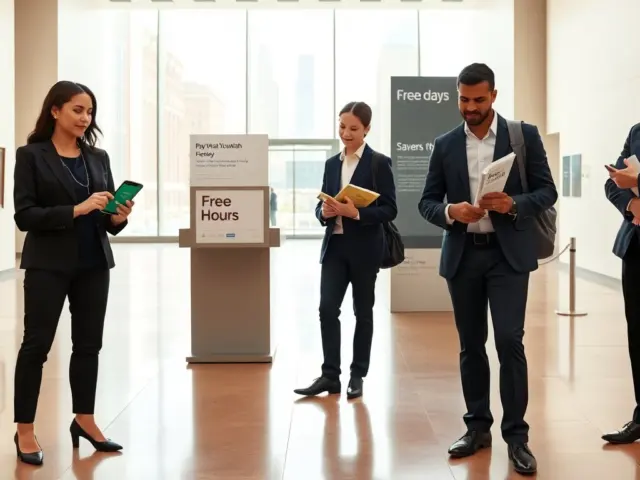
Buy timed tickets online to save waiting time. Museums open most days but hours vary by season. Check official museum pages for current hours before visiting. Many museums give free entry on specific mornings or evenings. Reduced rates exist for students, seniors, and EU residents. Museums provide ramps and elevators at main entrances. Staff will assist visitors who need accessible services. Visitors with sensory needs should ask for quiet zones or low-light times. Photography rules differ by gallery: visitors should look for posted signs.
When planning, note these practicalities: bring ID for concession tickets, keep printed or mobile tickets ready for scanning, and check whether a particular exhibition requires a supplementary ticket. If you need accessibility accommodations—such as audio description, large-print labels, or touch tours—contact the museum in advance to confirm availability. Lockers and coat checks may be limited, so travel light on museum days. Finally, verify on-site facilities like baby-changing rooms, cloakrooms, and on-site cafés if these are important to your visit.
Suggested Half-Day Itineraries And How To Prioritize Your Time
Morning option: Start at the Museu Picasso and spend 60–90 minutes. Walk to nearby cafés for a short break. Afternoon option: Visit the MNAC for two hours and enjoy the Montjuïc view. Contemporary option: Spend 90 minutes at MACBA, then visit nearby street art in Raval. Miró option: Combine the Fundació Joan Miró with a Montjuïc park walk. Prioritize by interest: pick one historical museum and one contemporary space per day. Allow transit time between sites and factor in rest stops and lunch.
Sample half-day plans that fit different rhythms: a focused morning—Museu Picasso plus a Born neighborhood stroll; a cultural afternoon—MNAC followed by Montjuïc gardens and sunset views; an exploratory contemporary session—MACBA plus independent galleries in Raval; a relaxed art-and-nature outing—Fundació Joan Miró with a picnic in the park. Adjust visit lengths based on your pace and interest: allocate extra time for temporary exhibitions, guided tours, or conservation displays you find compelling. These combinations let you see the highlights of Barcelona’s art scene without feeling rushed.