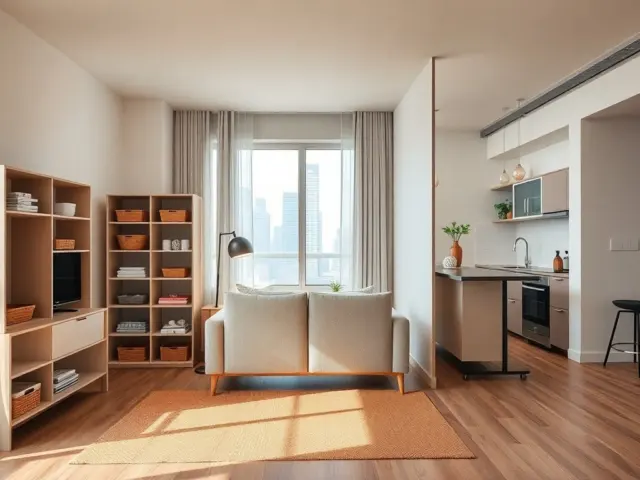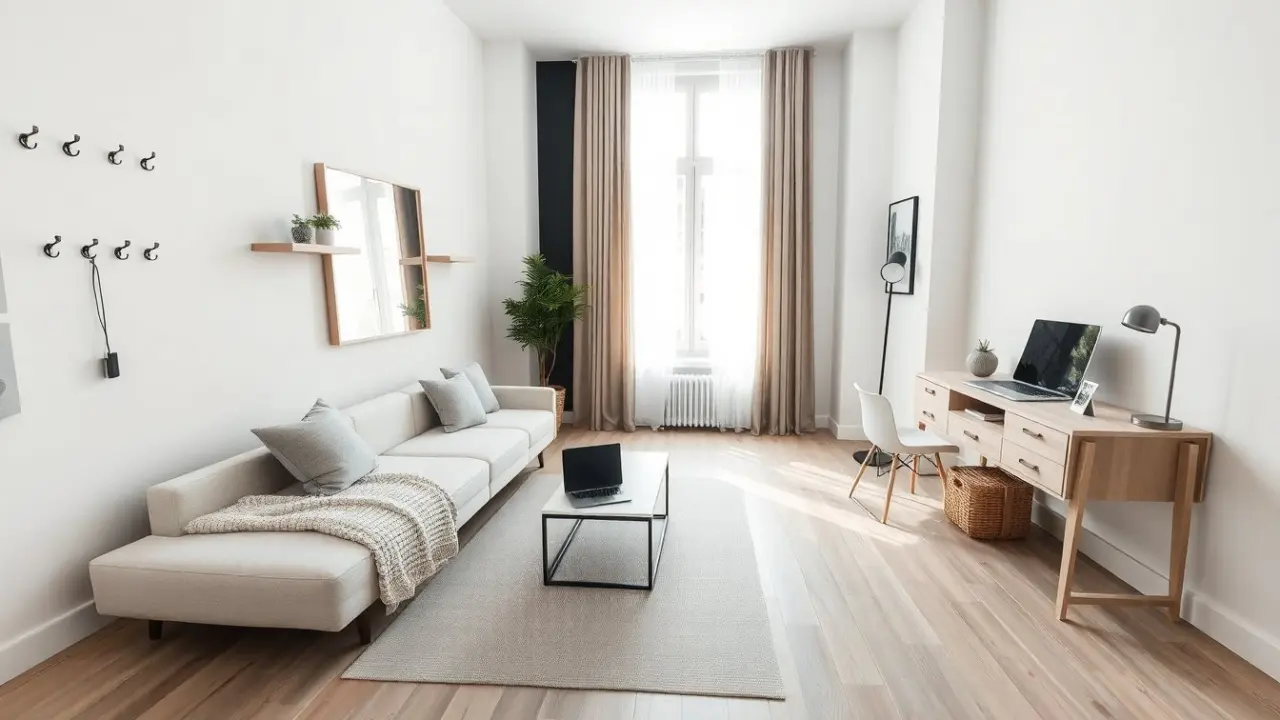
Small apartment living room ideas help people create more style and space in tight homes. This article lists practical tips that can be followed today, focusing on clear action, small changes, and common-sense choices. Readers will find layout moves, furniture picks, color tactics, lighting strategies, and storage steps that fit studio, one-bedroom, and open-plan apartments. Each section includes specific, low-cost adjustments and simple swaps that make measurable improvements to comfort and function.
Key Takeaways
- Plan the layout of a small apartment living room around function and flow by prioritizing daily activities and allowing ample walking space to create a natural movement path.
- Choose multi-functional furniture that saves space and serves multiple purposes to reduce clutter and maintain comfort without crowding the room.
- Use light colors, mirrors, and strategic accents to open up the room and enhance natural light, making a small living room feel larger.
- Layer textiles, rugs, and varied lighting sources to add cozy style without overwhelming the space.
- Implement clever storage solutions and decluttering habits to keep the small apartment living room tidy, functional, and visually calm.
Plan The Layout Around Function And Flow
Design the layout by listing the room’s primary uses first—TV and lounging, a work-from-home desk, dining, or a play area—then arrange furniture to support those activities. Place the largest piece (sofa or media unit) to anchor the space and set natural traffic paths. Aim for at least 24 to 30 inches for main walkways and create circulation with a clear path from the entrance to seating and to other zones. Use rugs, lighting, or a change in flooring direction to define areas without adding physical dividers. When possible, float the sofa away from walls to improve sightlines and allow light to move through; if wall placement is necessary, angle a chair or add a slim console behind the sofa to create depth. Test the plan by walking the route with everyday motions—carrying groceries, opening a door, sitting and standing—to confirm nothing blocks access or light.
Choose Multi‑Functional Furniture That Saves Space
Small apartment living room ideas favor pieces that work harder: sofas with storage under the seat, sleeper sofas for guests, ottomans that double as coffee tables and extra seating, and nesting side tables that expand only when needed. Look for wall-mounted desks or drop-leaf tables that fold away for dining or work, and media consoles with adjustable shelving to accommodate electronics and hidden cables. When buying, prioritize slim profiles, open legs to keep sightlines clear, and pieces with built-in organization (drawers, compartments, or removable trays). Modular furniture—sectionals with reconfigurable pieces—lets you adapt the layout as needs change without replacing large items.
Use Light, Color, And Mirrors To Open The Room
Light palettes and reflective surfaces make a small living room feel more expansive. Start with a light, warm-neutral wall color to bounce natural light; add a single darker or saturated accent wall to create depth without visually shrinking the room. Place a large mirror opposite or adjacent to a window to double incoming light and create the impression of added space—floor-length mirrors leaning on a wall work well when wall mounting isn’t an option. Use sheer curtains or blinds that tuck up fully to maximize daylight, and add a few metallic or glossy accessories to scatter light. Keep trim and ceilings in a matching or slightly lighter shade than walls to create a seamless vertical plane; this reduces visual breaks and makes ceilings feel higher. Limit bold, high-contrast patterns to one focal area so the eye can rest and the room reads as calm and cohesive.
Layer Textiles, Rugs, And Lighting For Cozy Style
Layering adds warmth and personality without clutter. Choose one appropriately sized rug to anchor the seating area—ideally with at least the front legs of the sofa on the rug—to define the zone. Combine textures (a flat-weave rug, a textured throw, and woven cushions) to create interest; pick a restrained color palette to avoid visual noise. Use three types of lighting: ambient (overhead or flush mounts), task (reading or desk lamps), and accent (wall sconces or picture lights). Slim-profile floor lamps, wall-mounted swing-arm lamps, and clamp-on fixtures save surface area. Add small-scale throws and cushions that can be rotated by season to refresh the look without new furniture. Consider transient accessories—like a tray or a stack of books—that can be moved to free up surfaces when needed.
Clever Storage And Decluttering Strategies For Small Living Rooms
Clutter shrinks a small room, so treat storage as part of the design. Combine visible and hidden storage: open shelving for curated items, closed cabinets for electronics and less attractive items, and baskets or bins for loose objects. Use vertical space with tall, narrow bookcases, wall-mounted cabinets, or floating shelves above seating to keep floors clear. Choose furniture that hides storage—lift-top coffee tables, storage ottomans, benches with internal compartments—and keep everyday items in designated containers (a basket for remotes, a decorative tray for keys and mail). Establish simple routines: clear surfaces nightly, run a 10-minute tidy before bed, and schedule a quarterly purge to remove items you no longer use. For tech clutter, label cords, use a small cable tray or a cord box behind media units, and tuck chargers in a drawer or a charging caddy. Finally, seasonal storage can go on high shelves, under beds, or inside modular furniture to keep the living room functional and visually calm.